Skip to content

Because there are several conditions where a slurry pump or a sludge pump is called for, there are three types of installations to consider: dry installation, semi-dry installation or wet installation, which involves fully submerging the pump.
First is a dry installation where the bearings and the pump drive are kept out of the sludge or slurry. The wet end—which may include the impeller, suction liner, shaft sleeve, and shell—is free-standing and out of the way of any liquid. Horizontal slurry pumps are mostly dry installations.
The second method is semi-dry installation. The operator floods the wet end and the bearings but keeps the drive dry. This installation is often used for dredging with horizontal pumps.
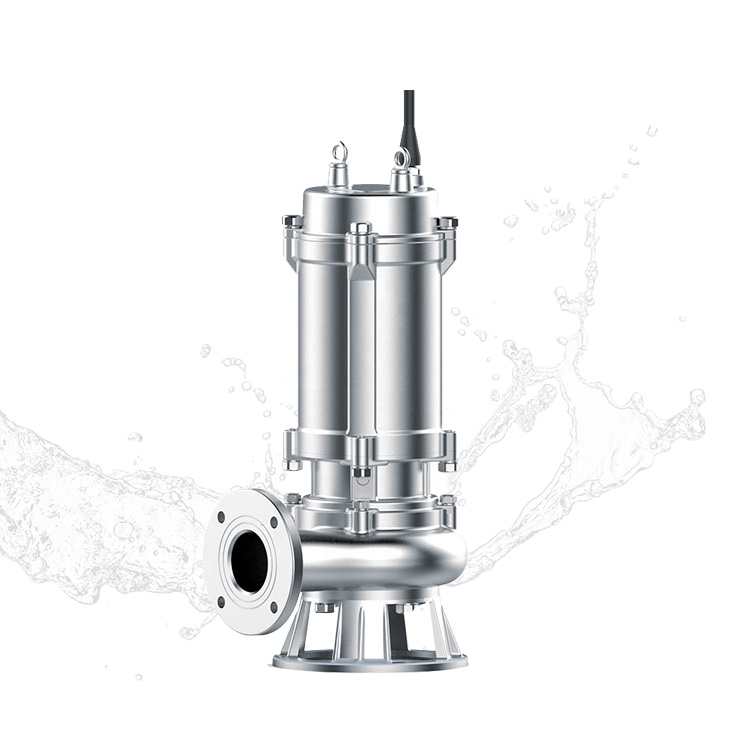
The final method is wet installation. Using this method, the slurry pump and drive are fully submerged. Wet installation is often reserved for underwater operations, cement plants, dyeing and printing plants, and similar industries. The pumps used are often vertical centrifugal pumps with semi-open impellers.