Skip to content

When standard pumps fail due to wear and tear, the submersible grit pump stands as the industry’s most reliable solution. Designed to handle heavy slurries, sand, and abrasive solids, these pumps are the workhorses of wastewater treatment, mining, and industrial processing.
But what makes a grit pump different from a standard submersible pump, and how do you choose the right one for your application?
What is a Submersible Grit Pump?
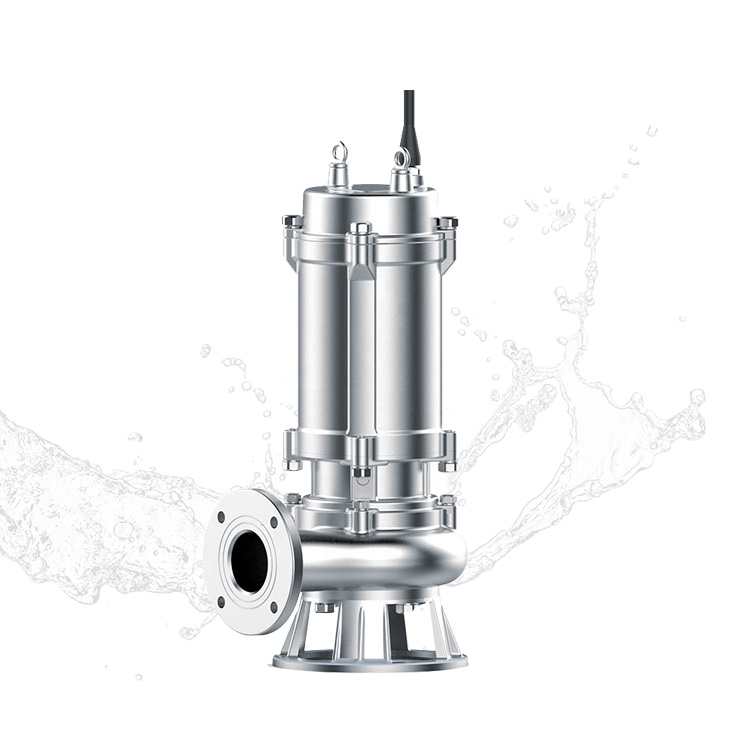
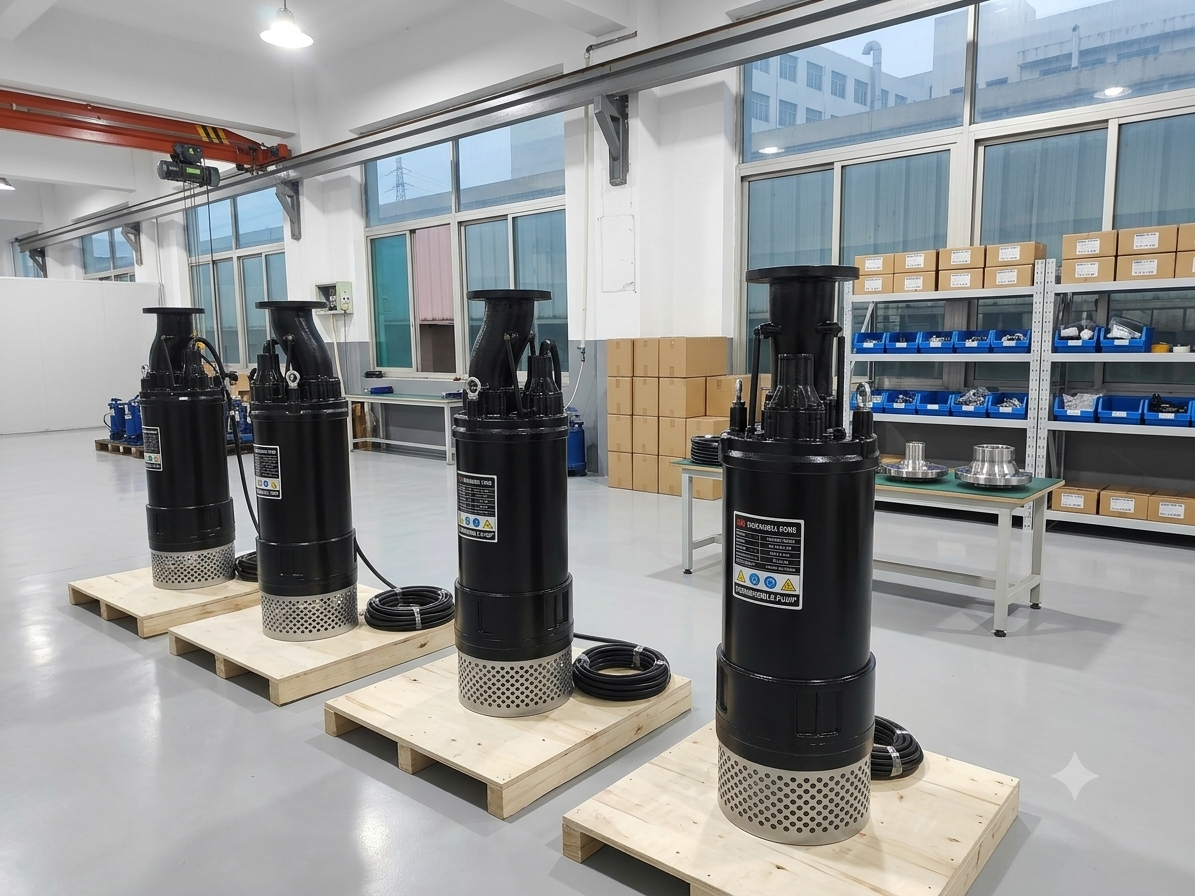
A submersible grit pump is a specialized centrifugal pump designed to operate entirely underwater. Unlike standard drainage pumps, grit pumps are engineered with high-chrome wear parts and heavy-duty seals to withstand the “sandpaper effect” of abrasive particles.
Key Components of High-Performance Grit Pumps:
-
Agitators: Many models feature an internal agitator to suspend settled solids, ensuring a consistent flow of grit.
-
Hardened Materials: Components are often made from High-Chrome Iron (28%+) to extend service life.
-
Double Mechanical Seals: Provides a critical barrier to prevent motor contamination in deep-water environments.
Core Applications: Where Grit Pumps Shine
If your fluid contains more than just water, you likely need a grit-specific solution. Common industries include:
| Industry | Primary Use Case |
| Wastewater Treatment | Removing grit from influent channels to protect downstream equipment. |
| Mining & Quarrying | Transferring tailings, sand, and mineral processing slurries. |
| Construction | Dewatering silt-heavy excavation sites and tunnel boring projects. |
| Dredging | Cleaning out ponds, lagoons, and marinas where sediment buildup is high. |
Why Choose Submersible Over Dry-Prime Pumps?
-
Space Efficiency: No need for a pump house or bulky suction hoses; the pump sits directly in the sump.
-
Quiet Operation: Water acts as a natural sound barrier, making them ideal for urban utility projects.
-
No Priming Issues: Since they are submerged, the risk of cavitation due to air pockets is significantly reduced.
Expert Tip: To maximize the lifespan of your submersible grit pump, ensure the motor’s cooling jacket is compatible with the fluid temperature to prevent overheating during continuous operation.
How to Select the Right Submersible Grit Pump?
Choosing the wrong pump can lead to frequent clogs and expensive downtime. Consider these three factors:
1. Solid Size Handling
Ensure the pump’s “spherical clearance” is larger than the maximum grit size in your fluid.
2. Flow Rate ($Q$) vs. Head ($H$)
Calculate your Total Dynamic Head (TDH) accurately. Using the formula:
Where $H_{static}$ is the vertical lift and $H_{friction}$ is the resistance within the pipes.
3. Material Compatibility
For acidic or corrosive environments (like chemical runoff), a standard cast-iron grit pump may fail. Opt for Stainless Steel (316/CD4MCu) variants.
Maintenance: Preventing Premature Wear
To keep your submersible grit pump running at peak efficiency:
-
Check the Oil Chamber: Regularly inspect for water ingress, which indicates a seal failure.
-
Clear the Volute: Even grit pumps can struggle with “ragging” (long fibers). Ensure the intake is clear.
-
Monitor Impeller Clearance: As the impeller wears, the gap between it and the wear plate increases, reducing efficiency. Adjust this periodically to maintain performance.
Conclusion: Invest in Durability
A high-quality submersible grit pump is an investment in your facility’s uptime. By choosing a pump specifically designed for abrasives, you reduce maintenance costs and prevent the catastrophic failures associated with “standard” pumps.
Are you looking for a custom quote or technical specifications for your next project? Contact us!