Skip to content

When it comes to handling tough wastewater, municipal runoff, or industrial effluents, choosing the wrong pump can lead to costly downtime, frequent maintenance, and premature equipment failure.
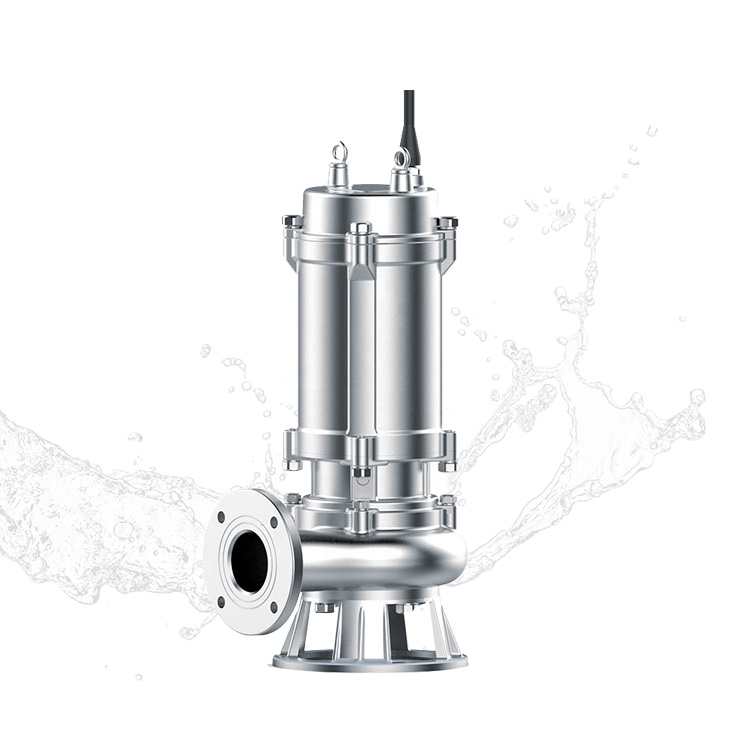
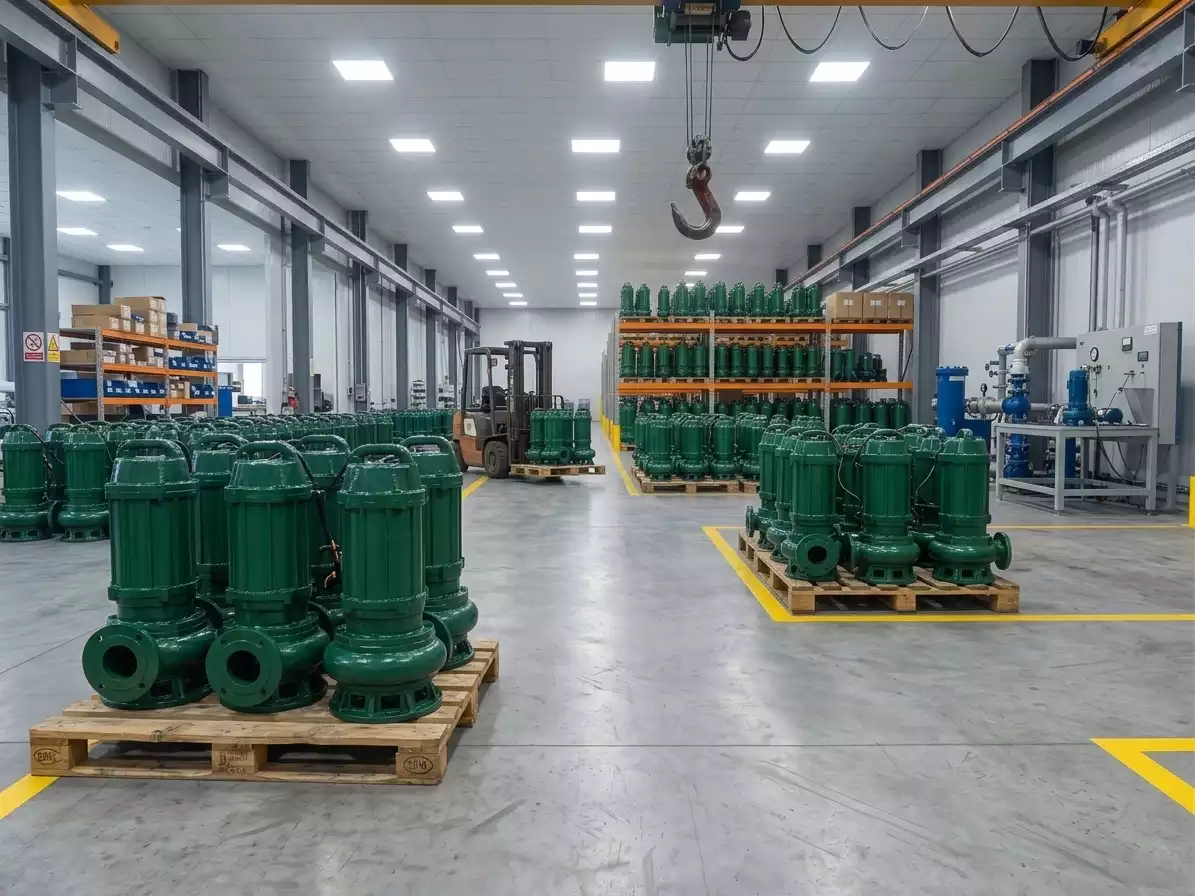
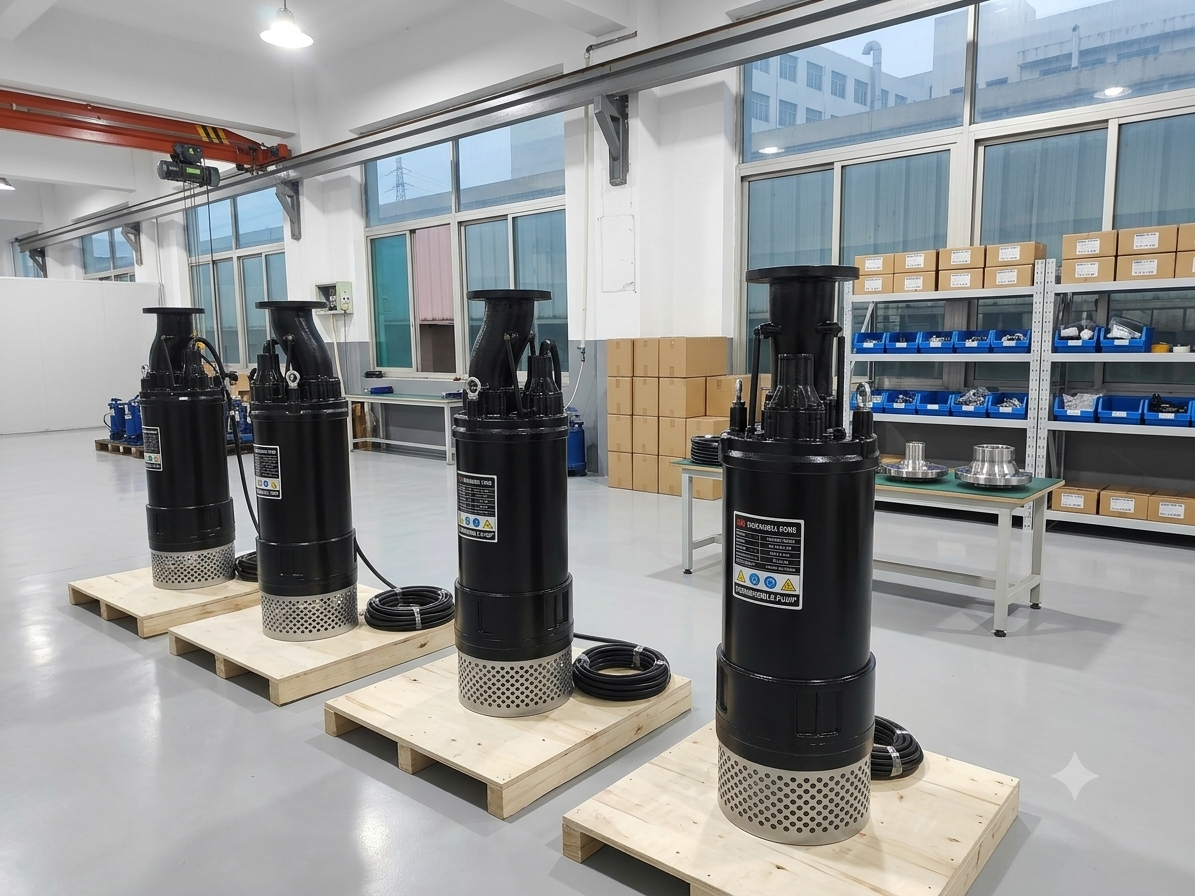
Two giants dominate the market: the cast iron submersible sewage pump and the stainless steel submersible sewage pump.
While both are designed to operate fully submerged and move solids-laden liquid, they are built for entirely different environments. In this comprehensive guide, we’ll break down the core differences, pros, cons, and real-world applications of each to help you make the right investment.
The Core Difference: Material Properties at a Glance
Before diving into the specifics, let’s look at how these two materials stack up against each other in wastewater environments.
| Feature | Cast Iron Submersible Sewage Pump | Stainless Steel Submersible Sewage Pump |
| Primary Material | Gray Cast Iron or Ductile Iron | Grade 304 or 316 Stainless Steel |
| Corrosion Resistance | Moderate (prone to rust over time) | Excellent (resists acids, chemicals, & saltwater) |
| Abrasion Resistance | Excellent (highly resistant to sand and grit) | Moderate to High (can scratch, but structural integrity holds) |
| Weight | Extremely Heavy | Moderate to Heavy |
| Initial Cost | Budget-friendly / Cost-effective | Premium / Higher upfront investment |
| Typical Lifespan | Long (in neutral pH water) | Exceptionally Long (even in harsh chemical environments) |
1. Corrosion Resistance: The Ultimate Dealbreaker
The chemistry of the liquid you are pumping is the single most important factor in this decision.
Cast Iron: Best for Neutral pH
Cast iron is a robust, dense metal, but it is fundamentally iron. When exposed to highly acidic or highly alkaline liquids, it will corrode. Over time, chemical attacks will pit the impeller and volute casing, reducing the pump’s efficiency and leading to failure.
-
Best for: Standard municipal sewage, stormwater, greywater, and clean drainage.
Stainless Steel: The Chemical Warrior
If you are pumping liquids with fluctuating pH levels, chemical effluents, or saltwater, stainless steel is non-negotiable.
-
304 Stainless Steel offers excellent protection against organic chemicals and mild acids.
-
316 Stainless Steel contains molybdenum, making it highly resistant to chlorides (saltwater) and aggressive industrial chemicals.
-
Best for: Chemical processing plants, food and beverage manufacturing, marine applications, and pharmaceutical wastewater.
2. Wear, Tear, and Abrasion Resistance
Wastewater isn’t just liquid; it often carries sand, gravel, silt, and stringy solids. How do these materials handle physical wear?
The Ruggedness of Cast Iron
Cast iron is incredibly hard and handles abrasive materials exceptionally well. Ductile iron impellers can chop and grind through small pebbles and grit without losing their shape. If your sewage contains a high concentration of sand or soil (like in construction site dewatering), cast iron is often the tougher, more resilient choice.
The Precision of Stainless Steel
While stainless steel is tough, it can be more susceptible to surface scoring from highly abrasive grit compared to heavy ductile iron. However, stainless steel impellers are often precision-engineered to maintain tight tolerances, ensuring high hydraulic efficiency over their lifespan.
3. Weight, Portability, and Installation
Cast Iron: Built Like a Tank
Cast iron pumps are heavy. While this makes them incredibly stable at the bottom of a wet well (preventing vibration), it also means they require heavy lifting equipment (hoists or cranes) for installation and maintenance pull-outs.
Stainless Steel: Lighter and Sleeker
Stainless steel has a higher strength-to-weight ratio than cast iron. This means a stainless steel pump is often lighter than its cast iron counterpart of the same horsepower. If your application requires a portable utility sewage pump that needs to be moved around a facility, stainless steel is much easier to handle.
4. Total Cost of Ownership (TCO): Upfront vs. Lifetime Cost
One of the most frequent questions buyers ask is: Is stainless steel worth the extra money?
┌─────────────────────────────────────────────────────────┐
│                   DECISION MATRIX                       │
├────────────────────────────┬────────────────────────────┤
│      CAST IRON PUMP        │    STAINLESS STEEL PUMP    │
│                            │                            │
│  ✔ Lower Upfront Cost      │  ✘ Higher Upfront Cost     │
│  ✔ Cheap Replacement Parts │  ✔ Zero/Low Maintenance    │
│  ✘ High Maintenance in Acid│  ✔ Survives Harsh Media    │
│                            │                            │
│   Best for: Tight Budgets  │   Best for: Long-Term ROI  │
│   & Standard Sewage        │   & Corrosive Environments │
└────────────────────────────┴────────────────────────────┘
-
Cast Iron Pumps have a much lower initial purchase price. If you are pumping standard residential sewage (pH 6-8) without aggressive chemicals, a cast iron pump will last for decades with basic maintenance, offering the best return on investment (ROI).
-
Stainless Steel Pumps require a larger upfront capital expenditure (often 1.5x to 3x the cost of cast iron). However, if used in corrosive environments where a cast iron pump would rust out in 12 months, the stainless steel pump pays for itself by eliminating replacement costs and system downtime.
Summary: Which Pump Do You Need?
Choose a Cast Iron Submersible Sewage Pump if:
-
You are pumping standard residential or municipal wastewater, greywater, or stormwater.
-
The fluid pH is neutral (between 6.0 and 8.0).
-
The wastewater contains high amounts of abrasive sand, grit, or gravel.
-
You are working with a tight upfront project budget.
Choose a Stainless Steel Submersible Sewage Pump if:
-
You are operating in industrial, chemical, pharmaceutical, or food processing environments.
-
The liquid is corrosive, acidic, alkaline, or contains saltwater/chlorides.
-
You must meet strict sanitary standards (e.g., food and beverage industry where rust contamination is prohibited).
-
You want a “set-and-forget” solution for aggressive fluids to minimize maintenance downtime.
If any other questions,welcome here.👇
Email:[email protected]|Whatsapp:+86-13633310657