Skip to content

Introduction to Dewatering Pumps for Dredging
Dewatering pumps for dredging play a crucial role in the process of removing water from dredged materials. These pumps are designed to handle a mixture of solids and water, separating the water from the solids to a certain extent and discharging the water to an appropriate location.
Types of Dewatering Pumps for Dredging
Centrifugal Dewatering Pumps:
Working Principle: Centrifugal pumps operate based on the principle of centrifugal force. When the impeller rotates, it creates a low – pressure area at the center, causing the slurry (a mixture of water and solids from dredging) to be drawn into the pump. The impeller then accelerates the slurry and throws it outwards due to centrifugal force. The water and solids are separated to some degree as the mixture moves through the pump casing. The water, being the less – dense component, is more likely to be discharged first.
Advantages: They can handle a large volume of slurry and have a relatively high flow rate. They are also suitable for a wide range of slurry densities and particle sizes.
Applications: Commonly used in large – scale dredging projects where a significant amount of water needs to be removed quickly. For example, in harbor dredging to keep the work area dry or in mining dredging to separate water from the ore – laden slurry.
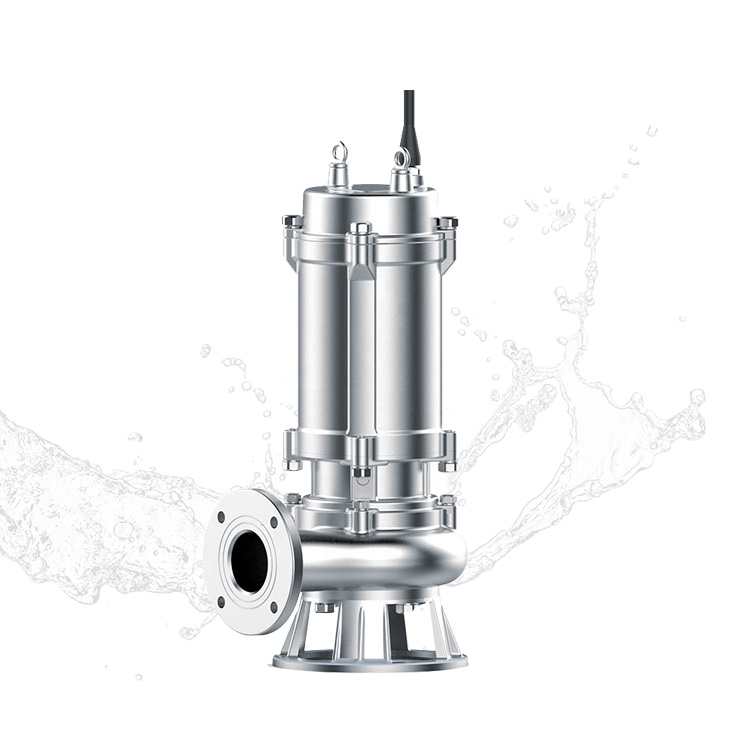
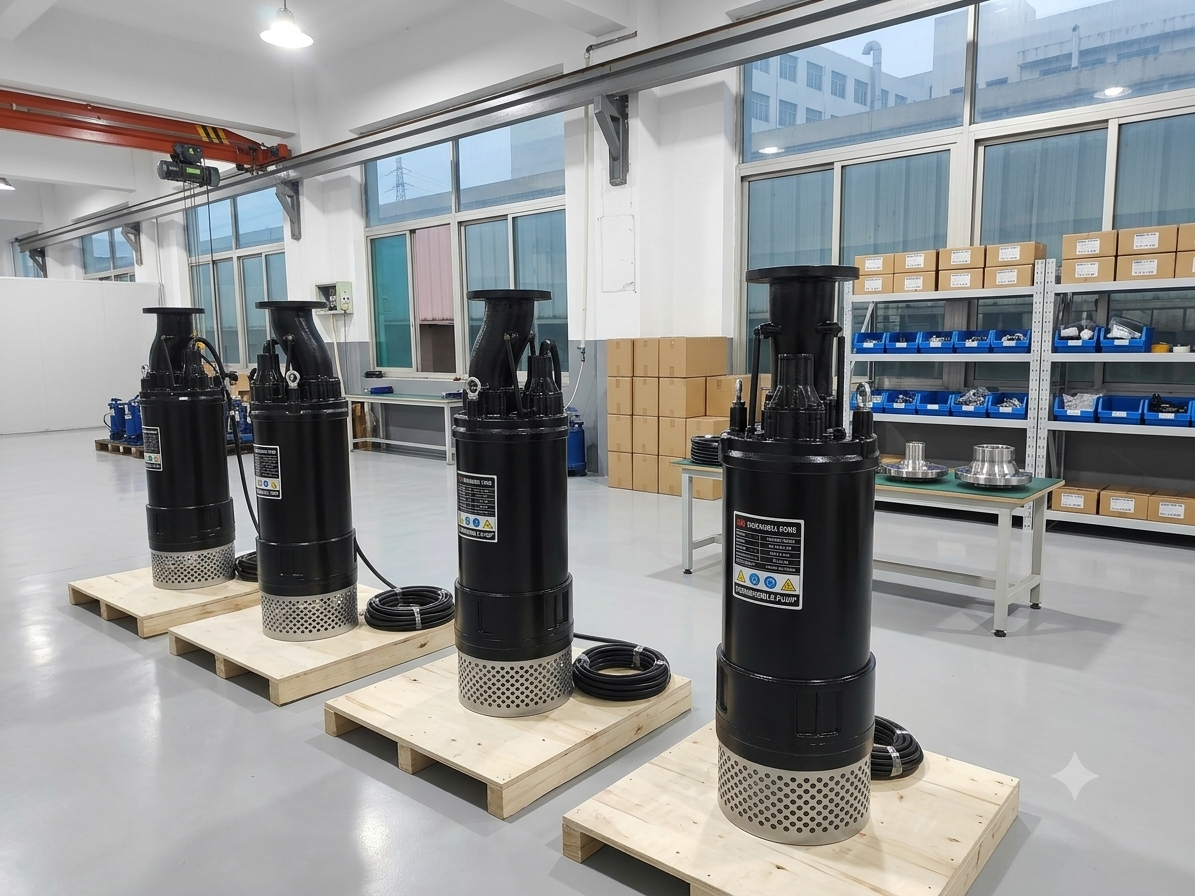
Submersible Dewatering Pumps:
Working Principle: These pumps are designed to be submerged in the slurry. The motor and pump are sealed in a watertight housing. When the pump is immersed in the slurry, the impeller rotates and sucks in the slurry from the bottom or sides. The water is then pushed out through the discharge pipe. Some submersible dewatering pumps also have built – in agitators to prevent the solids from settling and clogging the pump.
Advantages: Their submersible nature allows them to operate directly at the dredging site without the need for priming. They are also more compact and can be easily placed in areas with limited space.
Applications: Ideal for use in areas where the water – solid mixture needs to be pumped from a lower level, such as in deep – water dredging or in sumps and pits.
Key Considerations for Selecting a Dewatering Pump for Dredging
Solids Handling Capacity: The pump should be able to handle the type and amount of solids present in the dredged slurry. This includes considering the maximum particle size and the percentage of solids in the mixture.
Flow Rate and Head: The flow rate determines how quickly the water can be removed, and the head refers to the pressure the pump can generate to lift and discharge the water. These parameters need to be matched to the specific requirements of the dredging project, such as the distance and height to which the water needs to be pumped.
Corrosion and Abrasion Resistance: Since dredged materials can be abrasive and may contain corrosive substances, the pump should have components made of materials that can withstand these conditions. For example, the impeller and casing may be made of high – chrome alloys or rubber – lined materials.
Energy Efficiency: As dewatering pumps for dredging can consume a significant amount of energy, it’s important to consider pumps that are energy – efficient to reduce operating costs. This may involve looking at the pump’s design, motor efficiency, and the way it operates in different load conditions.