Skip to content

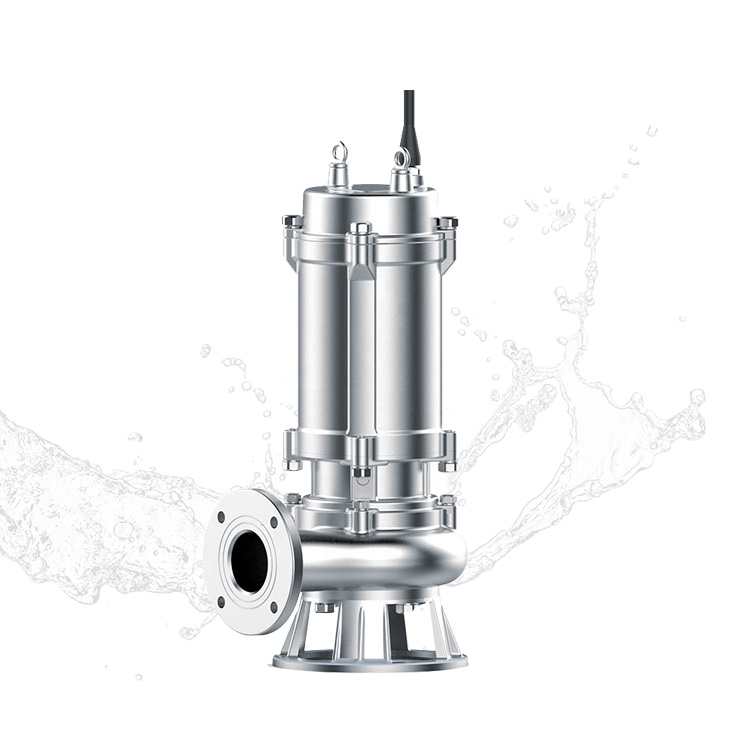
Choosing an appropriately sized submersible dewatering pump for the intended application is critical for proper water removal. Key factors to consider when sizing and selecting pumps include:
- Flow rate required: Match pump capacity to the gallons per minute needed to adequately dewater the site or keep pace with influx.
- Total head: The pump head refers to the maximum height the pump can lift water. It is crucial to select a pump with sufficient head capacity to overcome the elevation difference between the water source and the discharge point.Account for vertical lift, length and friction losses in discharge piping.
- Pump Efficiency: Pump efficiency is a measure of how effectively the pump converts power into hydraulic energy. Choosing a pump with high efficiency ensures optimal performance and reduces energy consumption.
- Solids handling: Pick a pump that can pass solids present without jamming or wear.
- Pump Construction: The construction material of the pump should be compatible with the type of water being pumped. For example, corrosive or abrasive water may require a pump made from more durable materials.
- Power Source: Dewatering pumps can be powered by electricity, diesel, or gasoline. The choice of power source depends on the availability of power and the specific requirements of the application.
- Site conditions: Consider portability needs, available power sources, and space constraints.
- Duty cycle: Determine if intermittent or continuous pumping is required.
- Accessories: Include fittings, hoses, pipes, valves needed for proper setup.
Typical Submersible Dewatering Pump Applications
Submersible dewatering pumps serve vital water removal roles across many different industries and sites:
- Construction sites: Remove rainwater and groundwater from pits and excavations. Facilitate foundation work.
- Mining sites: Keep mine shafts, pits and tunnels dry for operations. Drain tailings ponds.
- Industrial plants: Drain flooded areas rapidly in emergencies. Maintain dry work pits. Remove tank leakage.
- Municipal works: Drain flooded streets, structures, and tunnels. Dewater treatment plants after spills or flooding.
- Environmental remediation: Pump out containment ponds, secure landfills, and excavated areas. Remove leachate.
- Agriculture: Drain flooded fields. Remove wastewater from barns. Maintain dry areas for livestock.
- Events: Provide drainage and dewatering for outdoor concerts, races, and shows.
Having the right dewatering pumps on hand allows these industries to carry out operations and constructions projects as planned despite water accumulation on site.
Benefits of our submersible dewatering pumps:
- Allow excavation and construction below water table
- Prevent cave-ins, instability, erosion from excess water
- Allow crews to work safely without standing water hazards
- Prevent equipment damage and project delays from excess water
- Designed for 24/7 continuous pumping even in harsh conditions
- Available in electric, gas, diesel configurations
- Powerful pumping capacity removes water quickly
- Durable pumps stand up to tough dewatering projects
- Options for automatic or manual operation