Skip to content

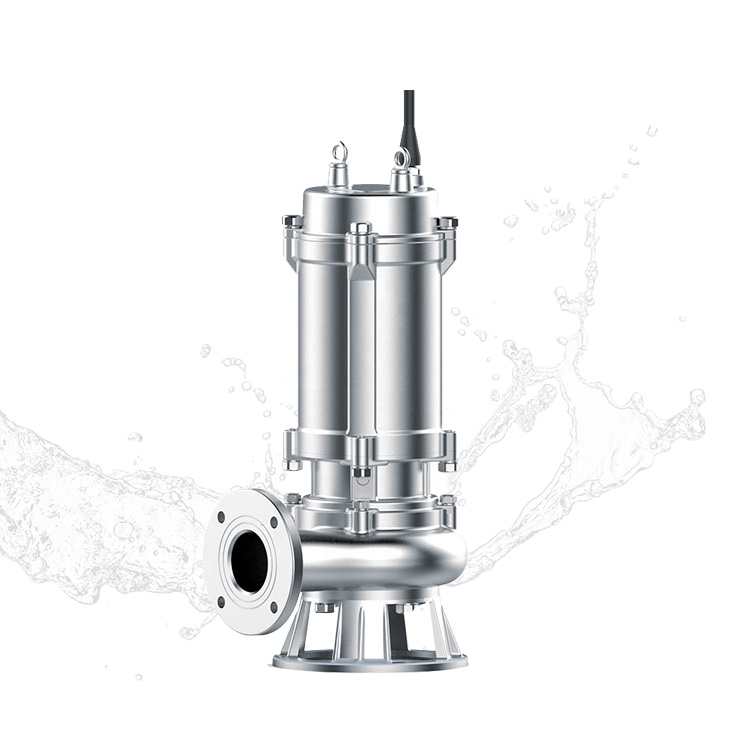
Here are some ways to improve the efficiency of SH637 submersible drainage pumps:
I. Optimize operating conditions
1. Proper installation:
– Make sure the pump is installed correctly and firmly. The pump should be completely submerged in water, and the area around its water inlet should be unobstructed, with no debris accumulation affecting the water inlet. For example, when installing in a pool, ensure that the water inlet is a certain distance from the bottom of the pool to prevent the inhalation of too much sediment.
– The installation angle should be appropriate to avoid problems such as uneven force on the impeller or air intake due to tilting.
2. Control the water level:
– Maintain a suitable water level. If the water level is too low, the pump may inhale air, produce cavitation, and damage the pump’s performance; if the water level is too high, it may increase the pump’s load. For example, in some sump drainage applications, a liquid level sensor can be installed to accurately control the start and stop water level of the pump.
II. Maintenance and optimization of the pump’s own components
1. Impeller maintenance and improvement:
– Regularly check the wear of the impeller. If the impeller surface is worn, corroded or deformed, it will affect its pumping efficiency. Clean the debris and dirt on the impeller in time, and repair or replace it if necessary.
– For the design of the impeller, a more efficient hydraulic model can be considered. For example, optimize the shape, angle and number of impeller blades to improve the suction and discharge efficiency of the liquid.
2. Sealing performance optimization:
– Ensure that the pump is well sealed to prevent water leakage and air intake. Mechanical seals are a common sealing method for submersible drainage pumps. The status of the seals should be checked regularly and replaced in time if damaged. Good sealing can reduce energy loss and improve the efficiency of the pump.
– For the sealing structure, advanced sealing technology and materials can be used to improve the reliability and durability of the seal.
3. Motor maintenance:
– Keep the motor clean to prevent dust and debris from entering the motor to affect the heat dissipation and electrical performance. Check the insulation resistance of the motor regularly to ensure that the motor runs safely and efficiently.
– Check the bearings of the motor and add lubricating oil or grease in time to ensure smooth operation of the bearings and reduce friction loss. If abnormal noise or overheating is found in the bearings, they should be replaced in time.
4. Pump casing and pipe cleaning:
– Regularly clean the inside of the pump casing and the inlet and outlet pipes. Sediment, impurities, etc. may accumulate in the pump casing, causing the flow channel to narrow and increasing water flow resistance. The inlet and outlet pipes may also affect the flow rate due to the accumulation of impurities. Chemical cleaning or physical flushing can be used for cleaning.
III. Operation management and control
1. Reasonable scheduling:
– According to the actual drainage needs, reasonably arrange the operation time and quantity of the pump. Avoid excessive use of the pump to cause unnecessary wear and energy waste, and also ensure that the pump can work promptly and effectively when drainage is required. For example, in some intermittent drainage occasions, timed start and stop or automatic control of the pump operation according to the water level can be used.
2. Speed control:
– Use variable frequency speed control technology to adjust the pump speed according to the actual flow demand. When the drainage demand is low, reducing the pump speed can reduce energy consumption and extend the service life of the pump. At the peak of drainage, increase the speed to meet the larger flow demand. For example, in the basement drainage system of some large buildings, variable frequency speed regulation can be used to flexibly adjust the operating status of the pump according to the rainwater flow and water accumulation in different time periods.
3. Monitoring and diagnosis:
– Install sensors and monitoring equipment to monitor the operating parameters of the pump in real time, such as flow, pressure, current, vibration, etc. By analyzing these parameters, abnormal conditions of the pump, such as blockage, wear, motor failure, etc., can be discovered in time, and corresponding measures can be taken to deal with them. For example, when the flow rate is significantly reduced and the pressure increases, it may indicate that there is a blockage in the pump, which needs to be cleaned in time.
Through the comprehensive application of the above methods, the working efficiency of the SH637 submersible drainage pump can be effectively improved, the operating cost can be reduced, and its service life can be extended.