Skip to content

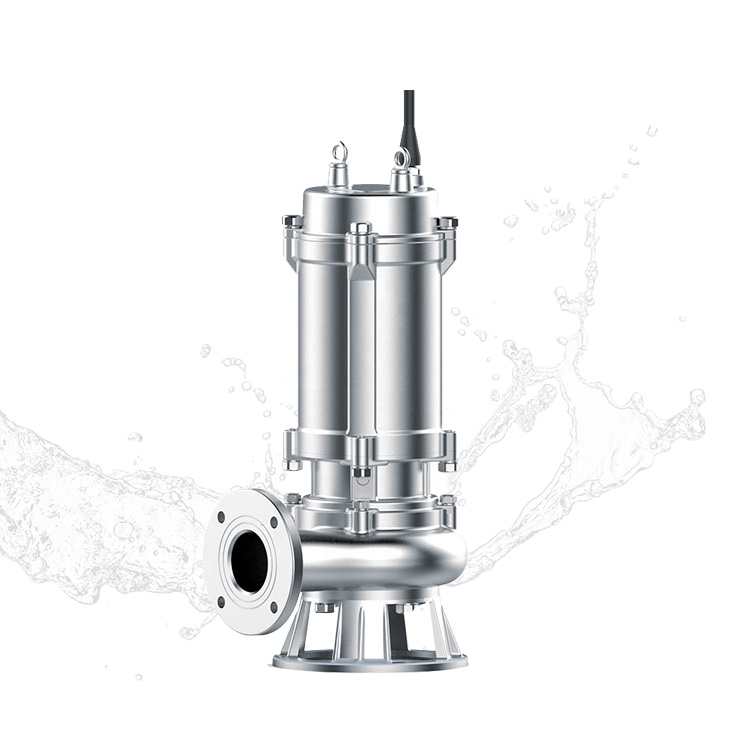
Installing a submersible slurry pump requires careful planning and proper execution to ensure it functions effectively and safely. Here are the steps to guide you through the installation process:
Tools and Materials Needed:
Submersible slurry pump
Power cable (if not pre-attached)
Discharge hose or piping
Control panel (if necessary)
Anchor or mounting system (for stabilization)
Float switch (optional, if automatic shutdown is required)
Wrenches and tools for installation
Waterproof connectors (for electrical connections)
Sealing materials (if necessary)
Installation Steps:
Preparation:
Read the Manual: Always read the manufacturer’s manual for specific instructions or warnings about the pump model.
Check Power Source: Ensure the electrical supply is stable and meets the pump’s voltage and current requirements.
Prepare the Slurry Area: Make sure the area where the pump will be placed is clear of debris, and that the slurry being pumped is within the pump’s designed handling capacity (in terms of particle size, consistency, and flow rate).
Positioning the Pump:
Place the Pump in Position: Lower the pump carefully into the slurry pit or reservoir. The pump should be submerged in the slurry at the appropriate depth (check the manufacturer’s specifications for optimal submersion depth).
Stabilize the Pump: Some pumps may come with anchors or mounting brackets. Use these to stabilize the pump and prevent excessive movement during operation.
If your slurry pit or reservoir is deep, consider using a mounting platform or float to position the pump properly.
Ensure the pump is not in contact with the bottom of the pit, which could cause abrasion or clogging. It should be placed at a safe distance from the bottom.
Connect the Discharge Hose/Piping:
Attach the discharge hose or piping to the pump’s outlet port.
Ensure that the hose or piping is securely fastened to prevent any leaks or disconnects during operation. Use appropriate clamps or fittings.
Check that the discharge system can handle the flow rate and pressure of the slurry being pumped.
Electrical Connections:
Connect the Power Cable: For submersible slurry pumps, the power cable needs to be waterproofed. Make sure that the electrical connections are securely installed and that the wiring is properly sealed.
If the pump comes with an external control panel, follow the manufacturer’s instructions to connect the panel to the power source.
Install a Float Switch (Optional): If the pump includes a float switch for automatic on/off operation based on the slurry level, install it according to the manual. The float switch should be placed at an appropriate height to activate the pump when the slurry level rises.
Ground the Pump: Proper grounding is essential to prevent electrical hazards. Ensure the pump is grounded correctly as per local electrical codes.
Test the Pump:
Once the pump is securely installed, conduct a test run.
Turn on the power and check for any signs of leaks, unusual noises, or vibrations.
Monitor the discharge flow to ensure it meets the desired output.
Adjust the pump’s position if necessary for optimal performance.
Final Checks and Operation:
Check for Proper Alignment: Ensure the pump’s discharge is aligned with the intended direction of the slurry flow and that no kinks or blockages are in the discharge hose/piping.
Verify Electrical Connections: Double-check that all electrical connections are secure and waterproofed to avoid short circuits.
Start the Pump: Begin operating the pump at its rated capacity. Monitor it during the initial operation to ensure everything is functioning correctly.
Safety Tips:
Wear Proper PPE: Always wear appropriate personal protective equipment (PPE) when working around slurry and electrical equipment, including gloves, goggles, and waterproof boots.
Follow Electrical Safety Guidelines: When handling electrical connections, make sure the power is off, and follow all safety protocols to avoid electrocution.
Regular Maintenance: Perform regular maintenance on the pump to ensure it operates efficiently. Clean the pump regularly to prevent debris buildup, and inspect all components for wear.
By following these steps and safety precautions, you can properly install and operate a submersible slurry pump. If you’re unsure about any aspect of the installation, it’s a good idea to consult with a professional or the pump’s manufacturer for specific guidance.