Skip to content

Vertical Turbine pumps move in a specific direction and cause the gas molecules to collide with moving solid surfaces. These pumps have a rapidly rotating fan that hits gas molecules and blows them from the inlet towards the outlet. This action causes a vacuum-like state inside the pump chamber. Most vertical turbine pumps have multiple stages. Each stage has two blades: a rotor blade that rotates at high speeds and a stator blade. When a gas molecule enters the pump inlet, it hits the rotor blade. This mechanical action of the blade transfers kinetic energy to the gas molecule. The gas molecule hits the surface of the rotor again and moves towards the exit.
Structure of Vertical Turbine Pumps
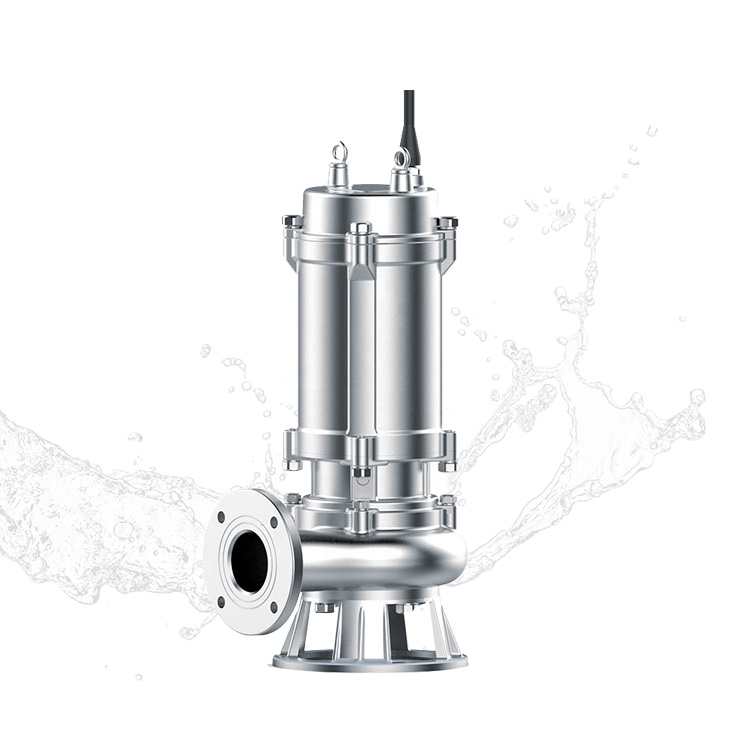
 Vertical turbine pumps are designed with both open and closed impellers. The bearings in the diffuser bowl are lubricated by the transferred liquid. At the top of the pump, a high-thrust motor is mounted and a spindle bearing is located at the bottom for product lubrication. Typically, vertical turbine pumps are run using AC motors or diesel engines. The end of the pump contains a rotating impeller that is attached to the shaft. The pumped water is directed into a housing known as the bowl. Multi-stage vertical turbine pumps contain multiple impellers mounted on the same shaft. A multi-stage pump produces higher pressure that makes it easy to transfer water from deep beneath the ground to the surface level.
Precautions to Take while Operating Vertical Turbine Pumps
 Just like any other pump, it’s highly recommended that you follow pump manufacturer instructions for the best results. Get in touch with leading vertical sump pump suppliers in China for pump operation guidelines. Make sure that the pump operates within the optimal and permissible operating ranges as mentioned by the pump manufacturer. Here are a few precautions to take before operating the pump Before installing the pump, make sure to check the driving power and speed. You can find these numbers printed along with the pump serial number on the pump nameplate. Make sure that the oil pan is deep enough to match the pump’s length so that there is no interference. Clean the pipelines before installing the pump. Check if all loose objects are well connected. Tighten bearings and seals properly. Make sure to follow the installation procedure specified by the pump manufacturer.