Skip to content

Electric submersible pumps are multistage centrifugal pumps operating in a vertical position. Liquids, accelerated by the impeller, lose their kinetic energy in the diffuser, where a conversion of kinetic to pressure energy takes place. This is the main operational mechanism of radial and mixed flow pumps. In the HSP, the motor is a hydraulic motor rather than an electrical motor, and may be closed cycle (keeping the power fluid separate from the produced fluid) or open cycle (mingling the power fluid with the produced fluid downhole, with surface separation).
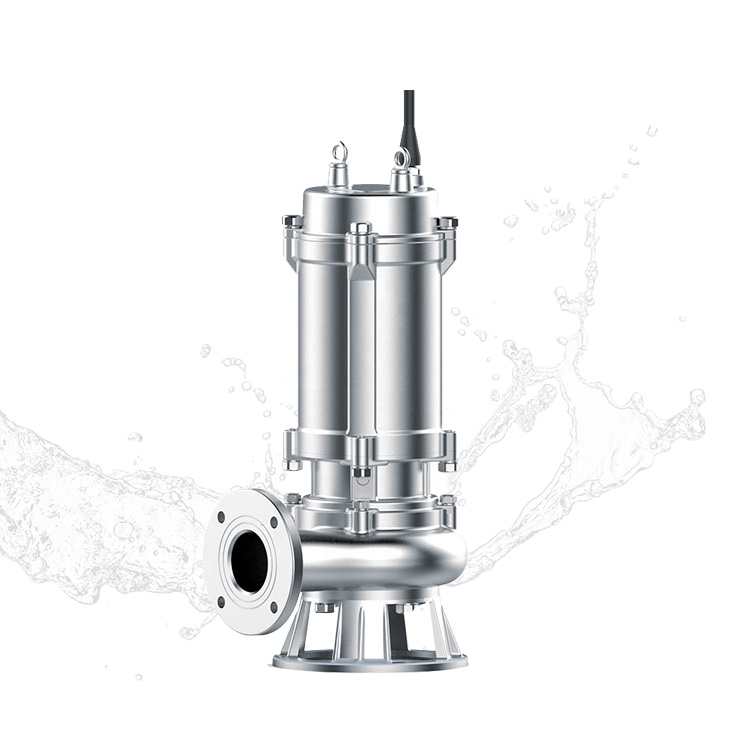
The pump shaft is connected to the gas separator or the protector by a mechanical coupling at the bottom of the pump. Fluids enter the pump through an intake screen and are lifted by the pump stages. Other parts include the radial bearings (bushings) distributed along the length of the shaft, providing radial support to the pump shaft. An optional thrust bearing takes up part of the axial forces arising in the pump, but most of those forces are absorbed by the protector’s thrust bearing.
There are also screw-type submersible pumps, there is a steel screw which is used as a working element in them. The screw allows the pump to work in water with a high sand content and other mechanical impurities.
Applications
Submersible pumps are found in many applications. Single stage pumps are used for drainage, sewage pumping, general industrial pumping and slurry pumping. They are also popular with Pond filters. Multiple stage submersible pumps are typically lowered down a borehole, and most typically used for residential, commercial, municipal and industrial water extraction (abstraction), water wells and in oil wells.
Other uses for submersible pumps include sewage treatment plants, seawater handling, fire fighting (since it is flame retardant cable), water well and deep well drilling, offshore drilling rigs, artificial lifts, mine dewatering, and irrigation systems.
Pumps in electrical hazardous locations used for combustible liquids or for water that may be contaminated with combustible liquids must be designed not to ignite the liquid or vapors.