Skip to content

How to Choose the Right Submersible Slurry Pump
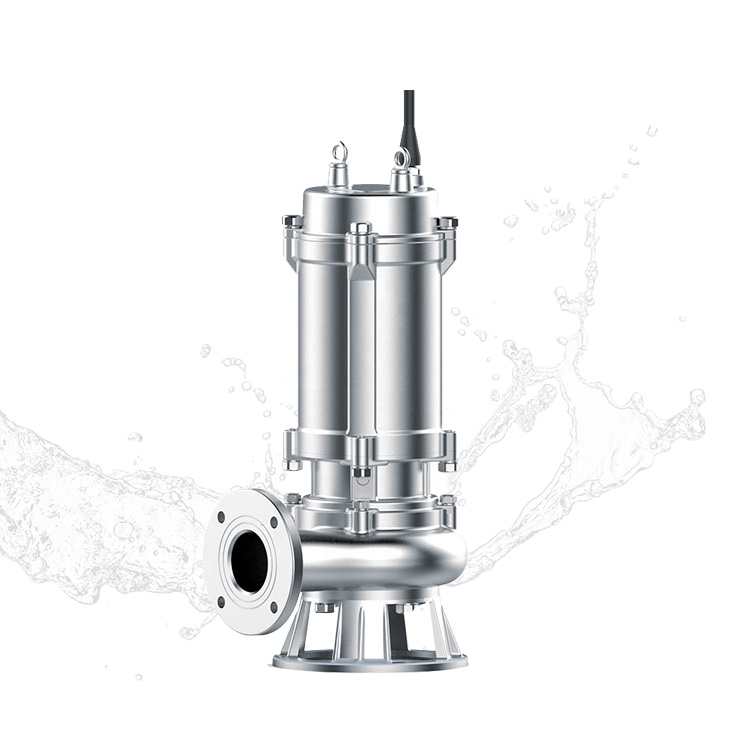
A submersible slurry pump is a specialized pump designed to handle liquids containing solid particles. These pumps operate while fully submerged, making them ideal for challenging environments. The robust construction of these pumps ensures durability and efficiency in various industrial applications.
Using a submersible slurry pump offers several benefits. These pumps can move more material with less energy, resulting in lower operating costs and higher productivity. The sealed motor and pump body prevent water or corrosive substances from entering, reducing maintenance needs and extending the pump’s lifespan.
Understanding Submersible Slurry Pumps
What is a Submersible Slurry Pump?
Definition and Basic Function
A submersible slurry pump operates while fully submerged in liquid. This design allows the pump to handle abrasive and corrosive slurries efficiently. The pump’s primary function involves moving liquids containing solid particles from one location to another. The robust construction ensures that the pump can withstand harsh conditions without frequent maintenance.
Common Applications
The versatility of a submersible slurry pump makes it suitable for various industries. Mining operations use these pumps to transport slurry mixtures containing minerals and other materials. Dredging projects rely on these pumps to remove sediment from water bodies. Wastewater treatment plants use them to handle sludge and other waste materials. Chemical processing facilities also benefit from the pump’s ability to manage corrosive substances. Agricultural operations use these pumps to irrigate fields and manage waste.
Benefits of Submersible Slurry Pumps
Efficiency and Performance
A submersible slurry pump offers high efficiency and performance. The pump can move large volumes of material with minimal energy consumption. This efficiency results in lower operating costs and higher productivity. The sealed motor and pump body prevent water and corrosive substances from entering, ensuring consistent performance over time.
Durability and Longevity
Durability stands out as a key advantage of a submersible slurry pump. The pump’s construction materials resist wear and tear, extending its lifespan. Regular maintenance becomes less frequent due to the pump’s robust design. Industrial applications benefit from the pump’s reliability, reducing downtime and increasing operational efficiency.
Types of Materials That Can Be Pumped
Importance of Material Compatibility
Abrasive Materials
A submersible slurry pump must handle abrasive materials efficiently. Abrasive materials include sand, gravel, and other hard particles. These materials can cause significant wear and tear on the pump. Using high-quality materials like stainless steel and high-chrome alloys ensures durability. The pump’s design must resist abrasion to maintain performance and longevity.
Corrosive Materials
Corrosive materials present another challenge for a submersible slurry pump. These materials include chemicals and industrial waste that can degrade the pump’s components. Selecting corrosion-resistant materials like stainless steel and specialty plastics is crucial. The pump must withstand harsh chemical environments to ensure reliable operation.
Examples of Commonly Pumped Materials
Sand and Gravel
Sand and gravel are common materials pumped by a submersible slurry pump. These materials are prevalent in mining and construction industries. The pump must handle large volumes of these abrasive materials without frequent maintenance. High-chrome alloys and stainless steel are ideal for this application due to their wear resistance.
Industrial Waste
Industrial waste often contains a mix of abrasive and corrosive materials. A submersible slurry pump must manage this complex mixture effectively. Wastewater treatment plants and chemical processing facilities rely on these pumps. The pump’s materials must resist both abrasion and corrosion to ensure long-term reliability. High-chrome alloys and specialty plastics offer the necessary durability.
Key Factors to Consider When Selecting a Submersible Slurry Pump
Flow Rate
How to Measure Flow Rate
Accurately measuring the flow rate is crucial when selecting a submersible slurry pump. The flow rate represents the volume of slurry the pump can move within a specified time frame. Use a flow meter to measure the rate of liquid passing through the pump. Ensure the measurement accounts for the slurry’s density and viscosity. This will provide a more accurate representation of the pump’s performance.
Importance of Flow Rate in Selection
The flow rate significantly impacts the efficiency of a submersible slurry pump. An undersized pump may fail to meet the application’s demands, leading to operational inefficiencies. Conversely, an oversized pump could waste energy and resources. Matching the pump’s flow rate to the system’s requirements optimizes performance and ensures reliable operation. Always consider the specific needs of your application when evaluating flow rate.
Discharge Head
Definition and Measurement
The discharge head refers to the height the submersible slurry pump can lift the slurry. Measure this from the pump’s discharge point to the highest point of the slurry’s destination. Use a pressure gauge to determine the head pressure. This measurement helps in understanding the pump’s capacity to overcome gravitational and frictional forces within the system.
Impact on Pump Performance
The discharge head directly affects the performance of a submersible slurry pump. A higher discharge head requires more power, impacting the pump’s efficiency. Ensure the pump can handle the required head without compromising performance. An accurate assessment of the discharge head will help in selecting a pump that meets the application’s demands while maintaining optimal efficiency.
Properties of the Liquid Carrier
Viscosity
Viscosity measures the resistance of the slurry to flow. High-viscosity slurries require more power to pump. Evaluate the viscosity of the slurry to ensure the submersible slurry pump can handle it efficiently. Pumps designed for high-viscosity liquids often have specialized impellers and motors. Selecting a pump compatible with the slurry’s viscosity will enhance performance and reduce wear.
Density
Density refers to the mass of the slurry per unit volume. High-density slurries exert more force on the pump components. Assess the slurry’s density to ensure the submersible slurry pump can manage the additional load. Pumps designed for high-density slurries typically feature robust construction materials. Matching the pump to the slurry’s density will improve durability and operational efficiency.
Importance of Choosing the Right Pump Material
Material Composition of the Slurry
Impact on Pump Wear and Tear
The composition of the slurry directly impacts the wear and tear on a submersible slurry pump. Abrasive materials like sand and gravel can cause significant erosion on pump components. Corrosive substances, such as industrial chemicals, can degrade the pump’s internal parts. Selecting the right material for the pump ensures durability and reduces maintenance costs. High-quality materials resist both abrasion and corrosion, extending the pump’s lifespan.
Material Compatibility
Material compatibility plays a crucial role in the performance of a submersible slurry pump. The pump material must withstand the specific properties of the slurry. For example, pumps handling acidic slurries require corrosion-resistant materials. Pumps dealing with abrasive slurries need materials that resist wear. Ensuring compatibility between the pump material and the slurry composition optimizes efficiency and reliability.
Common Pump Materials
Stainless Steel
Stainless steel offers excellent corrosion resistance, making it ideal for handling corrosive slurries. This material maintains its integrity in harsh chemical environments. Stainless steel pumps are commonly used in chemical processing and wastewater treatment plants. The durability of stainless steel reduces the frequency of maintenance and extends the pump’s operational life.
High-Chrome Alloys
High-chrome alloys provide superior wear resistance, making them suitable for abrasive slurries. These alloys contain a high percentage of chromium, which enhances their hardness. High-chrome alloy pumps excel in mining and dredging operations where abrasive materials are prevalent. The robust nature of high-chrome alloys ensures long-term reliability and reduces downtime.
Choosing the appropriate pump material based on the slurry’s composition significantly impacts performance and maintenance requirements. High-quality materials like stainless steel and high-chrome alloys offer durability and efficiency in various industrial applications.
Selecting a Reputable Manufacturer
Research and Reviews
Importance of Manufacturer Reputation
Choosing a reputable manufacturer ensures the quality and reliability of a submersible slurry pump. Manufacturers with a strong reputation have a track record of producing high-quality products. A well-known manufacturer often invests in research and development to improve pump performance and durability. Reliable manufacturers also adhere to industry standards and certifications, ensuring the pump meets safety and efficiency requirements.
Customer Testimonials
Customer testimonials provide valuable insights into the performance and reliability of a manufacturer’s pumps. Positive feedback from other users can indicate the manufacturer’s commitment to quality and customer satisfaction. For example, a customer from reef2reef.com shared,“The supplier did send a replacement item at no charge, so the customer service and warranty were as I would have hoped.”
Warranty and Support
Warranty Terms
A comprehensive warranty provides peace of mind when purchasing a submersible slurry pump. Manufacturers offering robust warranty terms demonstrate confidence in their products. A good warranty covers defects in materials and workmanship, ensuring the pump’s longevity. Understanding the warranty terms helps in making an informed decision and protects against unexpected repair costs.
Availability of Technical Support
Access to technical support is crucial for maintaining the pump’s performance. Manufacturers with reliable customer support can assist with installation, troubleshooting, and maintenance.
Understanding the Pump Curve
What is a Pump Curve?
Explanation of the Graph
A submersible slurry pump curve graphically represents the relationship between the flow rate and the head. The horizontal axis shows the flow rate, while the vertical axis indicates the head. Engineers use this graph to determine how a pump will perform under different conditions. The curve helps in visualizing the pump’s efficiency and operational limits.
Key Metrics to Look For
Several key metrics appear on a pump curve. The most important include the flow rate, head, efficiency, and power consumption. The flow rate measures the volume of slurry moved per unit of time. The head represents the height the pump can lift the slurry. Efficiency indicates how well the pump converts energy into useful work. Power consumption shows the amount of energy the pump uses. These metrics help in evaluating the suitability of a submersible slurry pump for specific applications.
How to Use the Pump Curve in Selection
Matching Pump Curve to Application
Matching the pump curve to the application ensures optimal performance. Start by identifying the required flow rate and head for the specific task. Compare these requirements with the pump curve to find a suitable submersible slurry pump. Ensure the selected pump operates within its best efficiency range. This approach minimizes energy consumption and maximizes productivity.
Adjusting for Specific Needs
Adjust the pump selection based on specific needs. Consider factors like slurry viscosity, density, and abrasiveness. High-viscosity slurries require pumps with specialized impellers. Dense slurries need robust construction materials. Abrasive slurries benefit from pumps made of high-chrome alloys. Tailoring the pump choice to the slurry’s properties enhances durability and efficiency.The Industrial Revolution marked a significant turning point in slurry pumping technology. With the advent of steam engines and mechanical engineering advancements, more efficient methods of slurry pumping began to emerge.
Choosing the right submersible slurry pump requires careful consideration of several factors. Key points include understanding the pump’s efficiency, durability, and material compatibility. Evaluating flow rate, discharge head, and liquid properties ensures optimal performance.
Additional Tips for Making the Best Choice
- Research Thoroughly: Investigate various manufacturers and read customer testimonials.
- Understand Your Needs: Match the pump specifications to your specific application requirements.
- Consult Experts: Seek advice from industry professionals to make an informed decision.
Consulting with experts can provide valuable insights and help avoid costly mistakes.