Skip to content

The easiest way to tell if your sump pump is clogged is to check whether it expels excess water from your home—when it rains, for example. If it removes the excess water, it’s not clogged. If it doesn’t remove the water, thus causing partial or total flooding in your basement, it’s clogged.
Top 5 Causes of Clogged Sump Pumps
If your sump pump gets clogged, there’s a good chance it’s a result of one of the following five reasons.
1. Opened Lid
A sump pump with a lid that’s left open will collect all kinds of objects and debris that clog the system. Make sure to keep the lid closed at all times, other than when you’re performing regular system maintenance.
2. Collection of Silt
The water that your sump pump brings in from outside your home carries small dirt particles that collect at the bottom of the pit over time and clog the system. The best way to avoid this problem is to clean your sump pit a few times each year to remove any silt buildup.
3. Blockage in Strainer
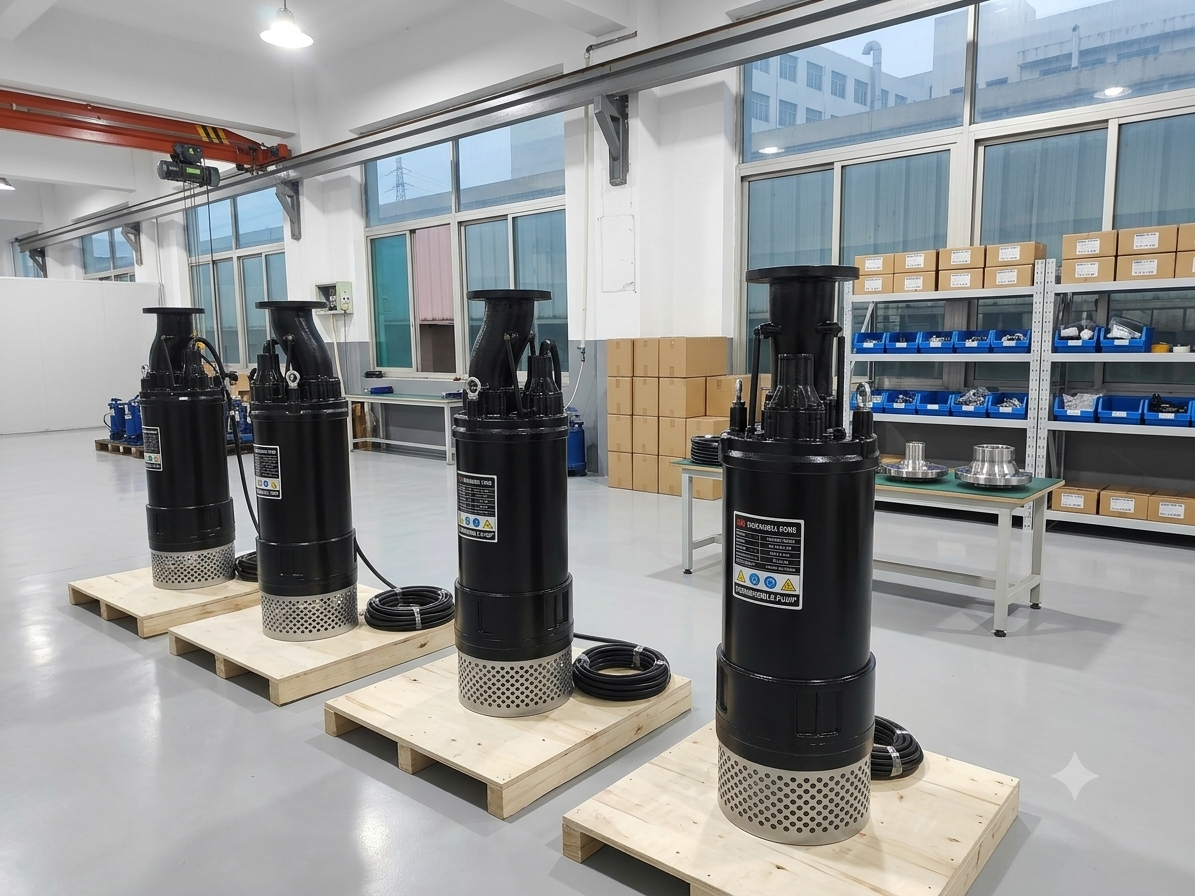
Some sump pumps have a strainer that keeps debris out of the system to prevent clogging. Unfortunately, sometimes debris and other objects collect on the strainer and block water from getting through it at all. Clean the strainer a couple of times a year to prevent this blockage from happening.
4. Corrosion
If your sump pump system has a metallic discharge pipe, it will wear down over time due to constant water passage. Whether you need to repair or replace the corroded discharge pipe, it’s best to have an HVAC technician come out to ensure it’s fixed properly.
5. Frozen Discharge Pipes
If you live in a colder climate, the discharge pipe connected to your sump pump might freeze in the winter months. Installing a discharge pipe that angles downward, allowing all the water to drain, is one way to avoid this problem. You also can consider installing the discharge pipe underground below the frost line.