Skip to content

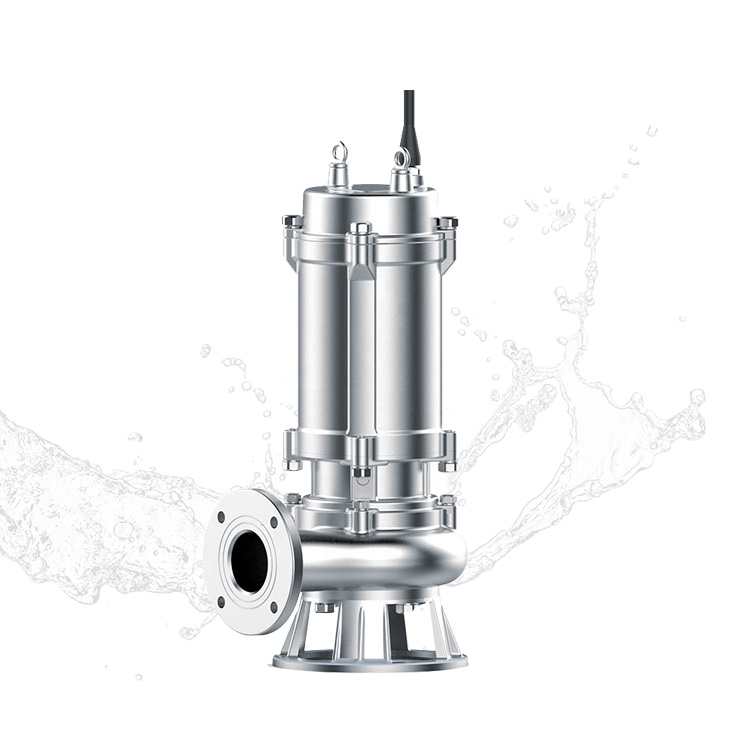
Submersible drainage pumps offer consistent and reliable performance in the field when dewatering. They are capable of moving large amounts of liquids and water with ease and without clogging. TUSSU Pumps submersible drainage pumps can operate on daily usage and provide the power to move fluids in a hurry. The following is to help understand pump specifications for selecting the right submersible pump for you. A TUSSU Pumps representative is also available.
Size
The size of the submersible pump is important when connecting the discharge end. The hose or pipe that connects to the pump should match the discharge or the pump. If fitting an adjustment to the end of the submersible slurry pump, the fitting should only be designed to go downward in size, not upward. Typically, the pump size limits the gallons per minute a submersible drainage pump is capable of pumping. The larger the pump size, the more allowable volume.
Power
The power of the electrical submersible drainage pump is determined by the motor size in horsepower. The more horsepower, the more material it can move (volume), and the higher the head of which it can pump. These water pumps are capable of moving solids, but in small quantities and sizes, so if a good amount of solids are expected to pass then a more powerful pump should be considered, and solids cause friction that slows down the movement of the material. If there is too much friction and the pump is not powerful enough to push the sand, slurry, or other solids through, the material will start to settle in the hose or piping and clog.
Volume
When selecting a water pump for drainage, be sure to understand how much volume you are looking to move. This it typically represented in Gallons Per Minute (GPM). In dewatering, move liquids as fast as you need, as indicated by GPM. If there is an inflow of water, the pump should move more water out than what is coming in.
Head
The head is the height at which the pump can raise water. The weight of a gallon of water at room temperature is 8.33 lbs. If all that is being pumped is room temperature water, the height a submersible slurry pump could pump that water is the max head stated on the pump specifications. However, sand, silt, rocks, mud, debris, and other types of slurries add weight and cause friction. Thus, the head of a pump that is pumping light slurry and sand is going to be less than the stated head on a pump. In addition to height, we recommend taking into consideration distance and pressure. Larger size pumps should be considered when pumping further distances.
Solids Size
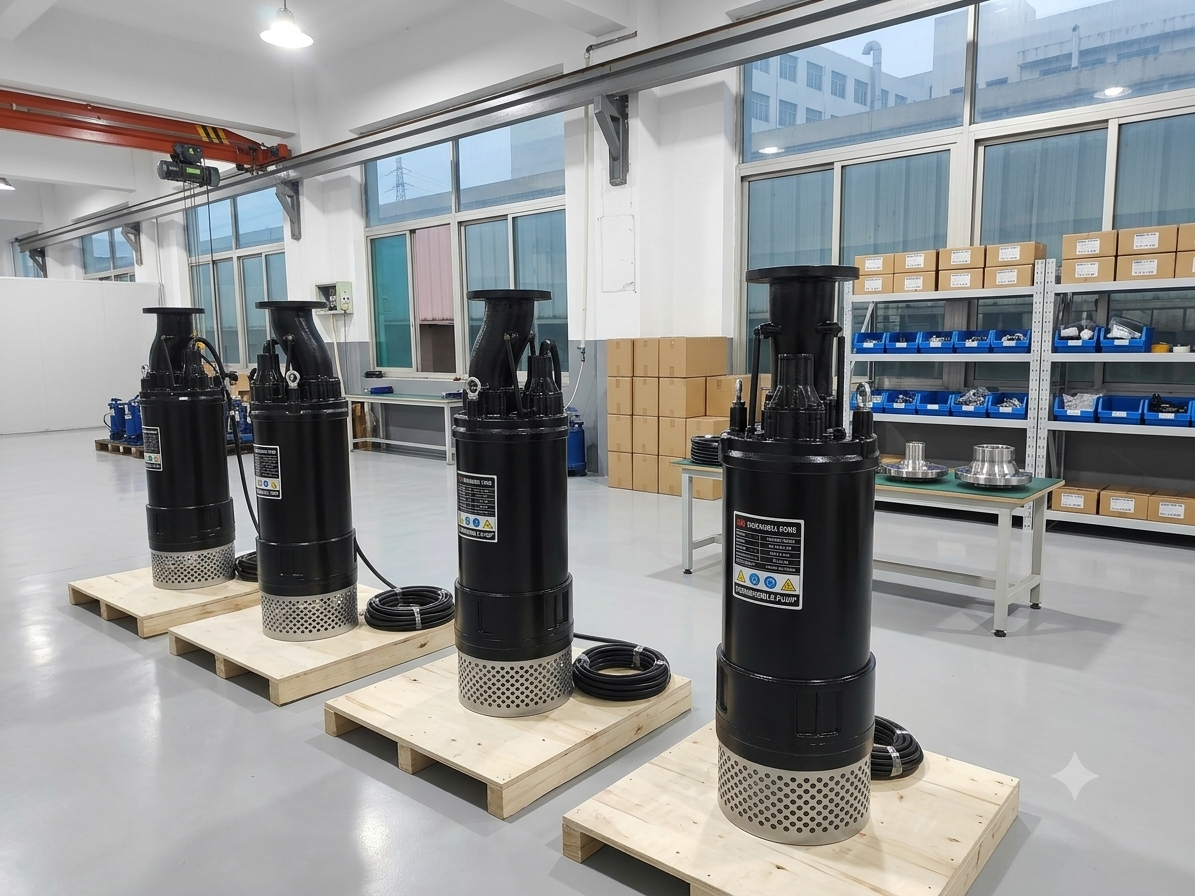
The size of solids is that can pass through are typically determined by the allowable hole size in the strainer. The strainer holes allow for water and other fluids to pass through the pump. Some solids will pass through as well. Submersible pumps are designed with more or less separation for the type of material they are intended to handle. Those with more separation are submersible slurry pumps because they can process larger materials. The submersible pump with less separation is a drainage pump that is not intended to move many solids.