Skip to content

A multi-stage pump simply does the same thing, but in a single pump with one motor by “stacking” multiple impellers on a single shaft. Flow passing through the pump gains pressure with every impeller it passes through.
The flow capacity of the pump is typically proportional to the diameter of the pump, whereas the pressure delivered by the pump is determined by the number of stages of the pump. Thus, multi-stage pumps are useful when you want high heads at low flows.
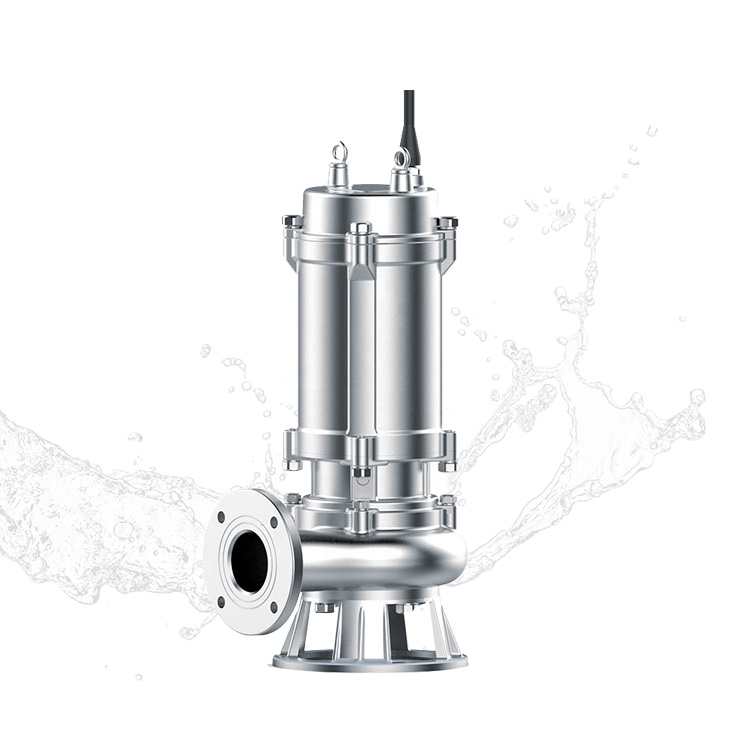
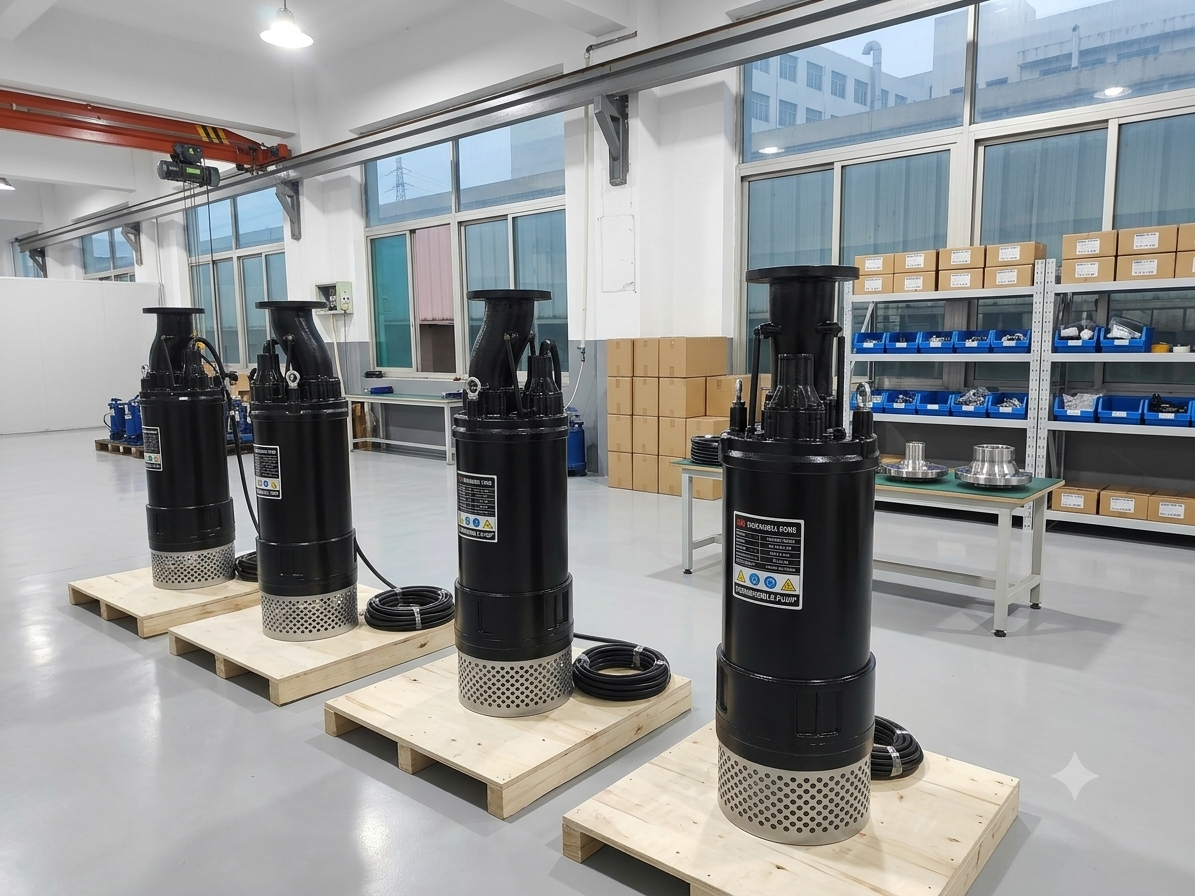
Multistage pumps often appear to be long and narrow, with a single motor driving a long shaft with multiple impellers keyed onto it.
The high head capacity of multi-stage pumps combined with their compact profile makes them particularly useful in groundwater extraction (dewatering) applications, which can be to extract groundwater for consumption or to lower the local water table to enable excavation operations.
In such bore pumping applications, the entire pump is often enclosed in a shroud, with water drawn into the pump at the bottom, forced to flow over the motor and then drawn up through the various pumping stages and discharged into the riser. This helps to keep the motor cool.