Skip to content

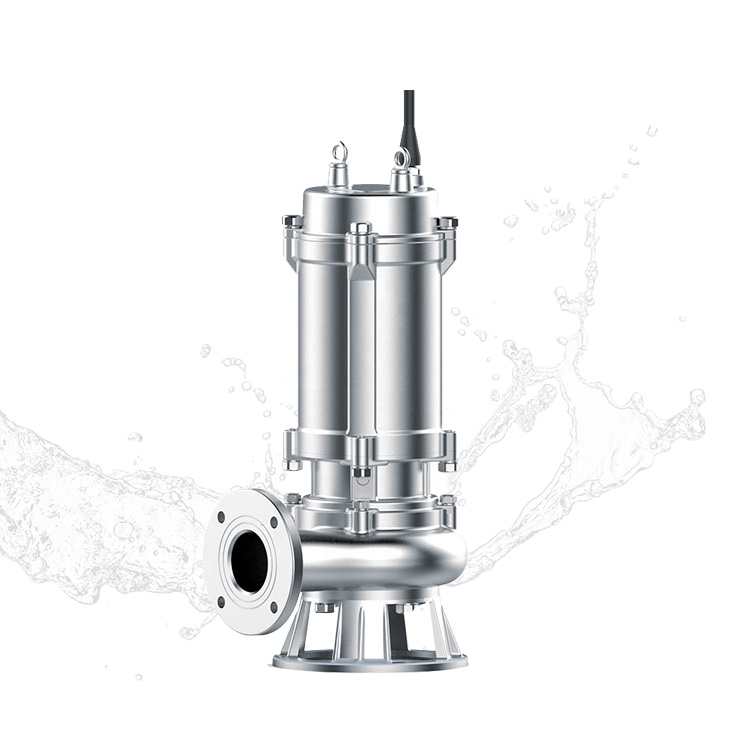
A hydraulic centrifugal vertical submersible sand sludge water pump is a type of pump designed specifically for handling abrasive and solid-laden fluids such as sand and sludge. It is typically used in applications such as dredging, mining, construction, and wastewater treatment.
Here’s a breakdown of the key features and components of this pump:
Hydraulic Operation: The pump uses hydraulic power to operate. It typically requires a hydraulic power pack or hydraulic system to provide the necessary power for pumping.
Centrifugal Design: The pump utilizes centrifugal force to transport the fluid. Centrifugal pumps are commonly used for their ability to handle high flow rates and low to medium head applications.
Vertical Submersible Configuration: The pump is designed to be submerged in the fluid it is pumping. It is usually installed vertically, with the motor and impeller located at the bottom. This configuration allows the pump to be immersed in the fluid, avoiding priming issues and providing a compact and efficient design.
Sand and Sludge Handling Capability: The pump is specifically designed to handle fluids containing sand, sludge, and other solid particles. It features robust construction with materials that can withstand abrasive wear, such as high-chrome alloys or hardened cast iron.
Impeller and Casing: The impeller is the rotating component that imparts kinetic energy to the fluid, while the casing directs the flow of the fluid. Both the impeller and casing are designed to handle abrasive particles and minimize wear.
Sealing Mechanism: As the pump operates underwater, it requires effective sealing mechanisms to prevent water ingress into the motor and other sensitive components. Common sealing methods include mechanical seals, lip seals, or labyrinth seals.
Motor: The pump is equipped with an electric motor that provides the mechanical power to drive the impeller. The motor is typically designed to be submerged and may have additional features like thermal overload protection and moisture resistance.
Control and Monitoring System: Depending on the application, the pump may include a control and monitoring system to regulate the pump’s operation and provide feedback on parameters like flow rate, pressure, and temperature.