Skip to content

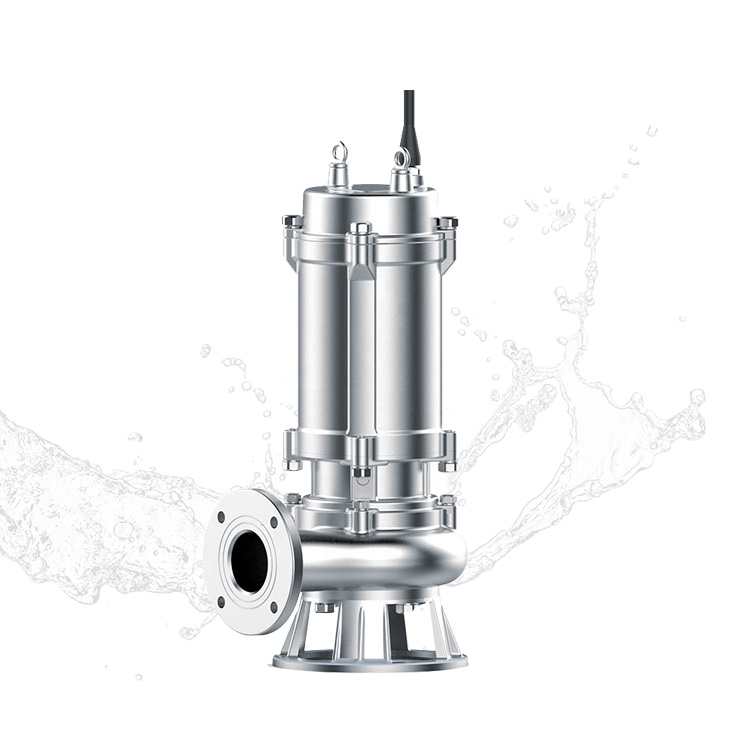
A hydraulic submersible slurry pump is a specialized heavy-duty pump designed to handle thick, abrasive, and solid-laden fluids (slurry) while submerged. Unlike standard pumps powered by electricity, these are driven by a hydraulic motor, which is powered by pressurized hydraulic fluid from a power source like an excavator, a dedicated Hydraulic Power Unit (HPU), or a truck.
1. How It Works
Power Source: Hydraulic fluid is pumped down to the submersible pump’s motor via high-pressure hoses.
Hydraulic Motor: This motor converts the fluid pressure into rotational mechanical energy to spin the pump shaft.
Impeller & Agitator: The shaft spins a heavy-duty impeller (to create suction and flow) and often an agitator (a rotating cutter or mixer at the intake). The agitator stirs up settled solids (sand, mud, sludge) into a suspension, allowing the pump to suck them up without clogging.
Discharge: The centrifugal force pushes the slurry out through a discharge hose to the desired location.
2. Key Advantages (vs. Electric Pumps)
Safety: Since there is no electricity in the water, the risk of electric shock is eliminated.
Variable Speed: The speed (RPM) can be easily adjusted by controlling the hydraulic flow, allowing you to manage the pumping rate precisely.
High Torque: Hydraulic motors provide consistently high torque, which is essential for cutting through thick mud or restarting the pump if it gets bogged down by solids.
Portability: These pumps are often mounted directly onto the boom of an excavator. The excavator provides both the hydraulic power and the mobility to “dredge” specific spots.
Run-Dry Capability: Many hydraulic models can run dry (without water) for short periods without burning out, unlike electric pumps which rely on the water for cooling.
3. Common Applications
Dredging: Removing sediment, sand, and silt from harbors, marinas, and rivers.
Mining: Pumping tailings (mine waste), mineral processing, and cleaning sump pits.
Construction: Dewatering construction sites, moving bentonite slurry (used in drilling), and cleaning coffer dams.
Environmental Cleanup: Pumping hazardous waste or sludge from industrial ponds and lagoons.
4. Leading Manufacturers & Models
Here are some of the most recognized global brands known for hydraulic submersible slurry pumps:
| Manufacturer | Known For / Series | Notes |
| Dragflow (Italy/Global) | HY Series | A market leader. Their pumps often come with side excavators (cutters) to break up hard packed soil. Popular for excavator mounting. |
| TUSSU(CHINA) | HTU Series | Top 3 submersible water pump manufacturer from China |
| Toyo / Hevvy Pumps (Japan/N. America) | DP / TO Series | Inventors of the agitator pump. Known for extreme durability and handling very heavy slurries (up to 70% solids by weight). |
| Hydra-Tech (USA) | S Series | Offers a wide variety of hydraulic submersible pumps for general dewatering and trash handling. |
| tsurumi-global(Japan) | KTZ series |
5. Selection Tips
When choosing one, you typically need to match the pump to your available power source (e.g., if you have a 20-ton excavator, you need a pump that matches its hydraulic oil flow and pressure output). Key specs to check are:
Hydraulic Input: Flow (GPM/LPM) and Pressure (PSI/Bar).
Solids Handling: Maximum diameter of solids the pump can pass (e.g., 3-inch rocks).
Head & Flow: How high (head) and how fast (flow) you need to move the material.