Skip to content

Which Type of Hydraulic Submersible Slurry Pump Used for Excavator
In modern construction engineering, excavators are indispensable heavy machinery, whose functions extend beyond excavating soil and rock. As engineering demands diversify, excavator auxiliary equipment continues to evolve and improve. Hydraulic submersible slurry pumps, as a highly efficient equipment used in conjunction with excavators, have become crucial tools for handling slurry transportation in complex geological conditions. This article aims to explore different types of hydraulic submersible slurry pumps and analyze their performance characteristics and selection criteria in excavator applications. At the end of the article, there is a case study of hydraulic submersible slurry pumps for excavators.


1. What is Hydraulic Submersible Slurry Pump
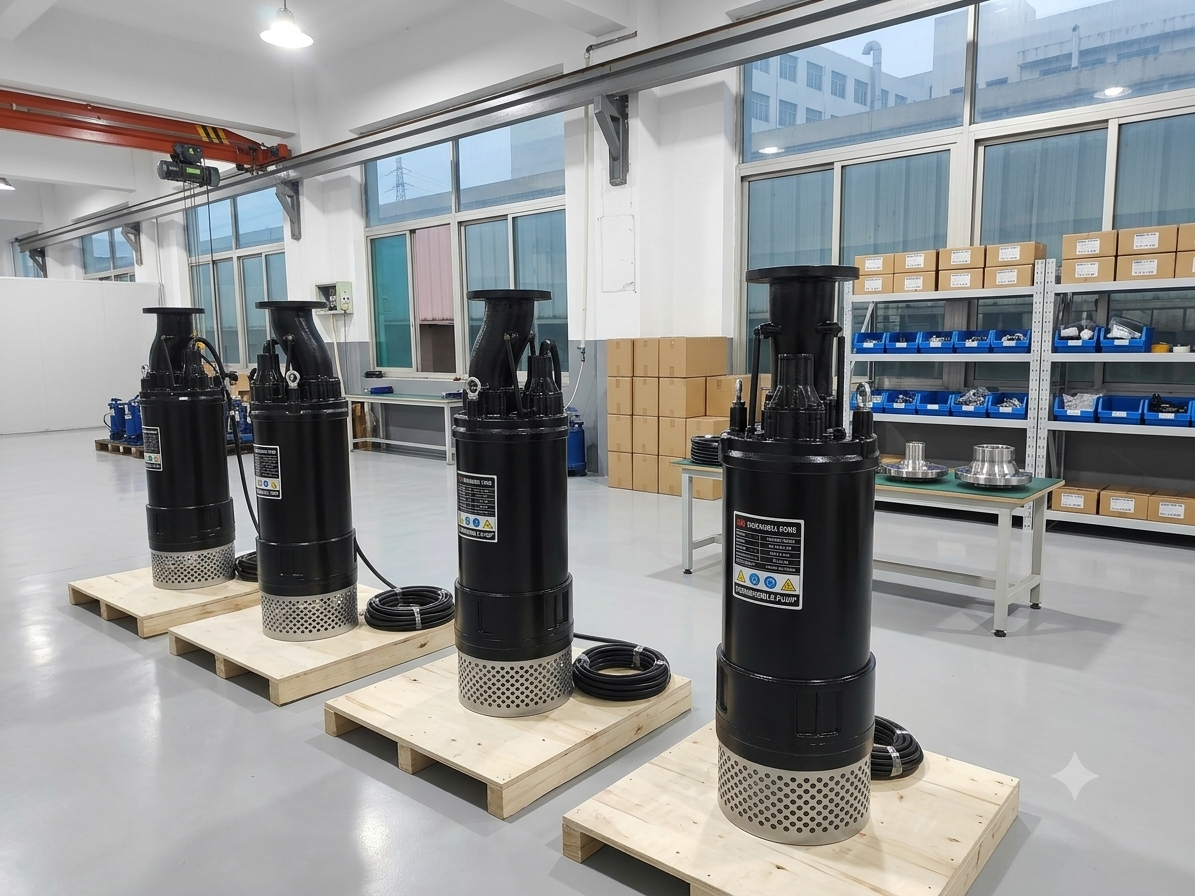
Our hydraulic submersible slurry pump is a specially designed pump for transporting liquids containing solid particles, such as slurry, sand-water mixtures, etc., in underwater or muddy environments. It is typically driven by a hydraulic motor, capable of resisting corrosion and abrasion, making it suitable for a wide range of applications including construction, mining, and dredging.The working principle is based on a centrifugal pump. The hydraulic motor drives the impeller to rotate, creating a low-pressure area that draws in the slurry. Centrifugal force disperses and suspends the solid particles in the liquid, preventing clogging. The impeller’s rotation also pressurizes the slurry, allowing for continuous delivery to the designated location through wear-resistant discharge pipes.
Due to its compact structure, corrosion resistance, and high efficiency, this pump is widely used in construction, mining, and dredging applications where handling complex media is required.
2. What Is Driving Mode of Hydraulic Submersible Slurry Pump
Hydraulic submersible slurry pump is a high-efficiency equipment, mainly used to transport liquids containing solid particles in underwater or muddy environments. There are two main driving modes,hydraulic pump station drive and excavator drive.
2.1 Hydraulic Pump Station Drive Hydraulic Submersible Slurry Pump
Hydraulic pump station drive is a traditional drive method, which requires a separate hydraulic pump station for the hydraulic submersible slurry pump. This pump station usually contains one or more hydraulic pumps, which deliver high-pressure oil to the hydraulic motor of the slurry pump through hydraulic oil pipes to drive the submersible slurry pump. The hydraulic pump station can provide stable oil pressure and flow, ensuring that the slurry pump can operate efficiently under various working conditions. In addition, the pump station designed by the TussuPump design team allows the operator to adjust the oil pressure and flow according to actual needs to adapt to different delivery tasks. The drive source of the hydraulic pump station can be a diesel engine or an electric motor, configured according to the specific needs of the customer and site conditions. Diesel engine drive provides a self-sufficient solution, especially suitable for use in remote areas or areas with insufficient infrastructure. Electric motor drive is an economical and environmentally friendly option, suitable for occasions with a stable power supply. The design of the hydraulic pump station can also integrate a variety of control functions, such as pressure regulation and remote monitoring, to ensure the efficient and safe operation of the pump. This drive method is suitable for fixed or semi-fixed work sites, requiring a large initial investment to build a pump station, but with low long-term operating costs.
2.2 Excavator Drive Hydraulic Submersible Slurry Pump
Excavator drive is a driving method that directly connects the hydraulic submersible slurry pump to the hydraulic system of the excavator. The hydraulic pump of the excavator provides power, which is transmitted to the hydraulic motor of the slurry pump through the hydraulic pipeline, thereby driving the hydraulic submersible slurry pump. The advantage of this method is that it can reduce the complexity and cost of the equipment because no additional hydraulic pump station is required. The mobility of the excavator also allows the hydraulic submersible slurry pump to be quickly transferred from one working point to another, improving the flexibility of the operation. In addition, the hydraulic system of the excavator usually has sufficient power and flow to drive the hydraulic submersible slurry pump, enabling it to cope with various complex conveying tasks. This driving method is particularly suitable for occasions that require rapid movement and frequent changes in working positions.
3.How to Choose Hydraulic Submersible Slurry Pump for Excavator
When choosing a submersible hydraulic slurry pump for an excavator, you need to consider multiple factors to ensure that the pump you choose can meet the needs of a specific project. Here are the detailed steps and considerations:
3.1 Confirm the Excavator Model
First, confirm the specific model and tonnage of the excavator, such as 20 tons, 30 tons or 40 tons. Provide the brand and model information of the excavator to the supplier, such as OCEAN Pump, so that the engineer can recommend a suitable submersible hydraulic slurry pump type based on the hydraulic system parameters and performance requirements of the excavator.
3.2 Choose the type of submersible hydraulic slurry pump
According to the specific needs of the project, choose from several different types of submersible hydraulic slurry pumps designed by Tussu Pump.
3.2.1 Single submersible hydraulic slurry pump type: does not contain an agitator, suitable for general slurry transportation.
3.2.2 Type with agitators on both sides: suitable for occasions where it is necessary to improve the uniformity of mixing solid particles and liquids, and can prevent solid sedimentation.
3.2.3 Type with a cutter at the bottom: suitable for handling thicker or compacted sediments, the stirring cage can effectively loosen and mix solid particles.
Evaluate the performance parameters of the pump: Ensure that the flow rate, head, and speed of the selected pump can meet the project requirements. In addition, confirm the maximum solid particle size that the pump can handle to avoid clogging and wear.
3.3 Compatibility of the Hydraulic System
Check whether the hydraulic motor of the hydraulic submersible slurry pump is compatible with the hydraulic system of the excavator to ensure that the pump can directly use the hydraulic power of the excavator to work.
3.4 Wear-resistant Material Selection
Select pumps with flow-through parts such as pump casing, impeller, guard plate, etc. made of high chromium alloy or other wear-resistant materials to improve the durability of the pump and reduce maintenance.
3.5 Supplier Service
Choose a supplier that provides comprehensive after-sales service, including technical support, parts supply and warranty service. Tussu Pump salesman Lingda has rich professional knowledge and will recommend common wearing parts to customers. Tussu Pump has after-sales service in most parts of the world.
3.6 Price and Cost-effectiveness
Under the premise of meeting technical requirements, consider the price and operating cost of the pump and choose a cost-effective product. Tussu Pump’s products are a brand with a relatively high cost-effectiveness.
3.7 Field testing
If possible, conduct field testing to verify the performance and adaptability of the pump.
3.8 Custom Options
If the standard pump type cannot meet specific needs, consider customizing the pump design to adapt to special engineering conditions. Tussu Pump has a professional technical team that can communicate with customers by phone or video to tailor professional solutions
4. Excavator-matched Hydraulic Submersible Slurry Pump Case
| Parameter Reference of Submersible Slurry Pump for 20-30-40 Excavator | ||||
| Excavator | Parameter | Bottom Cutter | Pump only | Pump with side agitators |
| 20tons | Outlet (inch) | 6 | 8 | 6/8 |
| Flow rate (m3/h) | 350 | 500 | 350 | |
| Head (m) | 20 | 20 | 20 | |
| Pump speed (rpm) | 980 | 980 | 980 | |
| Displacement (cc) | 107 | 160 | 107 | |
| Oil supply (L/Min) | 110 | 160 | 120 | |
| Power (KW) | 45 | 70 | 37 | |
| Working pressure (Mpa) | 25-30 | 25-30 | 25-30 | |
| Cage diameter (mm) | 650 | / | / | |
| Cage displacement (cc) | 1600 | / | / | |
| Cage working pressure (Mpa) | 20-25 | / | / | |
| Cage oil supply (L/Min) | 60 | / | / | |
| Agitator motor displacement (cc) | / | / | 400 | |
| Agitator motor pressure (Mpa) | / | / | 16 | |
| Agitator oil supply (L/Min) | / | / | 50 | |
| Excavator | Parameter | Bottom Cutter | Pump only | Pump with side agitators |
| 30tons | Outlet (inch) | 8 | 10 | 8 |
| Flow rate (m3/h) | 500 | 700 | 500 | |
| Head (m) | 20 | 20 | 20 | |
| Pump speed (rpm) | 160 | 160 | 160 | |
| Displacement (cc) | 980 | 980 | 980 | |
| Oil supply (L/Min) | 160 | 200 | 160 | |
| Power (KW) | 75 | 90 | 70 | |
| Working pressure (Mpa) | 25-30 | 25-30 | 25-30 | |
| Cage diameter (mm) | 650 | / | / | |
| Cage displacement (cc) | 1600 | / | / | |
| Cage working pressure (Mpa) | 20-25 | / | / | |
| Cage oil supply (L/Min) | 50 | / | / | |
| Agitator motor displacement (cc) | / | / | 500 | |
| Agitator motor pressure (Mpa) | / | / | 20-25 | |
| Agitator oil supply (L/Min) | / | / | 40 | |
| Excavator | Parameter | Bottom Cutter | Pump only | Pump with side agitators |
| 40tons | Outlet (inch) | 10 | 12 | 10 |
| Flow rate (m3/h) | 700 | 1000 | 700 | |
| Head (m) | 20 | 20 | 20 | |
| Pump speed (rpm) | 200 | 250 | 200 | |
| Displacement (cc) | 980 | 980 | 980 | |
| Oil supply (L/Min) | 200 | 250 | 200 | |
| Power (KW) | 90 | 110 | 90 | |
| Working pressure (Mpa) | 25-30 | 25-30 | 25-30 | |
| Cage diameter (mm) | 800 | / | / | |
| Cage displacement (cc) | 2000 | / | / | |
| Cage working pressure (Mpa) | 20-25 | / | / | |
| Cage oil supply (L/Min) | 70 | / | / | |
| Agitator motor displacement (cc) | / | / | 600 | |
| Agitator motor pressure (Mpa) | / | / | 20-25 | |
| Agitator oil supply (L/Min) | / | / | 50 | |