Skip to content

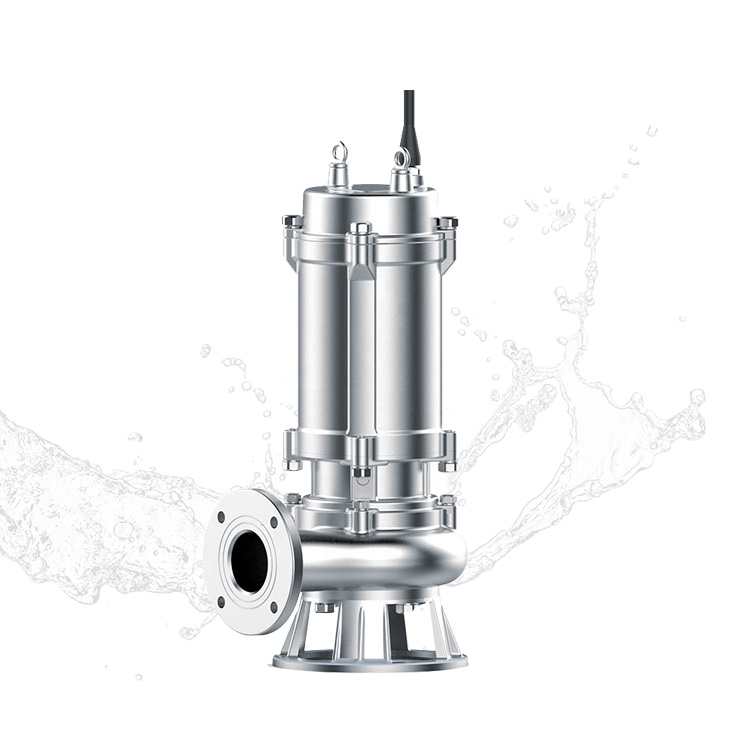
An immersed water pump, also known as a submersible pump, is a type of pump that is designed to be completely submerged in the liquid it is pumping. This design allows the pump to push water (or other liquids) from one place to another without the need for priming, as the pump itself is already submerged and can work effectively underwater.
Here are some key characteristics of immersed (submersible) water pumps:
- Sealed Motor: The motor is sealed to prevent water from entering, and often the pump casing is waterproof to ensure it operates safely when submerged.
- Efficient Pumping: These pumps are highly efficient because the motor is directly in contact with the fluid being pumped, reducing the risk of cavitation (air bubbles forming in the pump).
- Applications:
- Drainage: Submersible pumps are commonly used in applications like draining flooded basements, swimming pools, or ponds.
- Sewage Systems: They are also used for sewage and wastewater handling.
- Deep Well Pumps: These pumps can be used in deep wells where water must be drawn from considerable depths.
- Aquaculture: In fish farms or aquariums to circulate water.
- Types of Submersible Pumps:
- Dirty Water Pumps: For water that contains debris, such as in construction sites.
- Clean Water Pumps: For clear, uncontaminated water like in domestic or industrial water transfer.
- Advantages:
- Reduced Noise: Because the pump is submerged, it operates quieter compared to external pumps.
- Efficient Space Usage: Submersible pumps save space as they don’t require additional plumbing or priming.
- Maintenance: Proper maintenance is crucial, especially keeping the pump and its electrical components free from debris or corrosion to ensure longevity.
Let me know if you need any more specific details!