Skip to content

Introduction to Sand Dredging Mining Hydraulic Dredge Submersible Slurry Pump
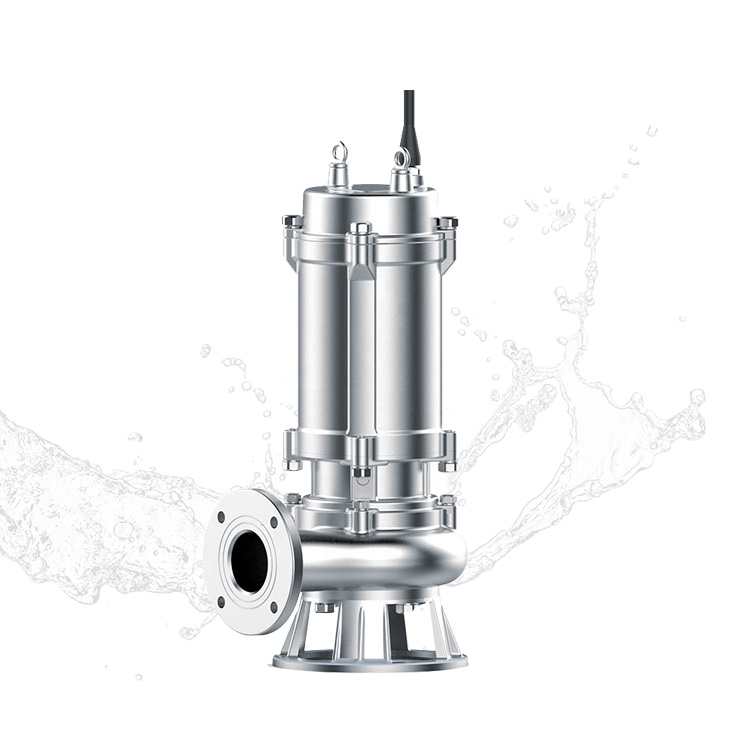
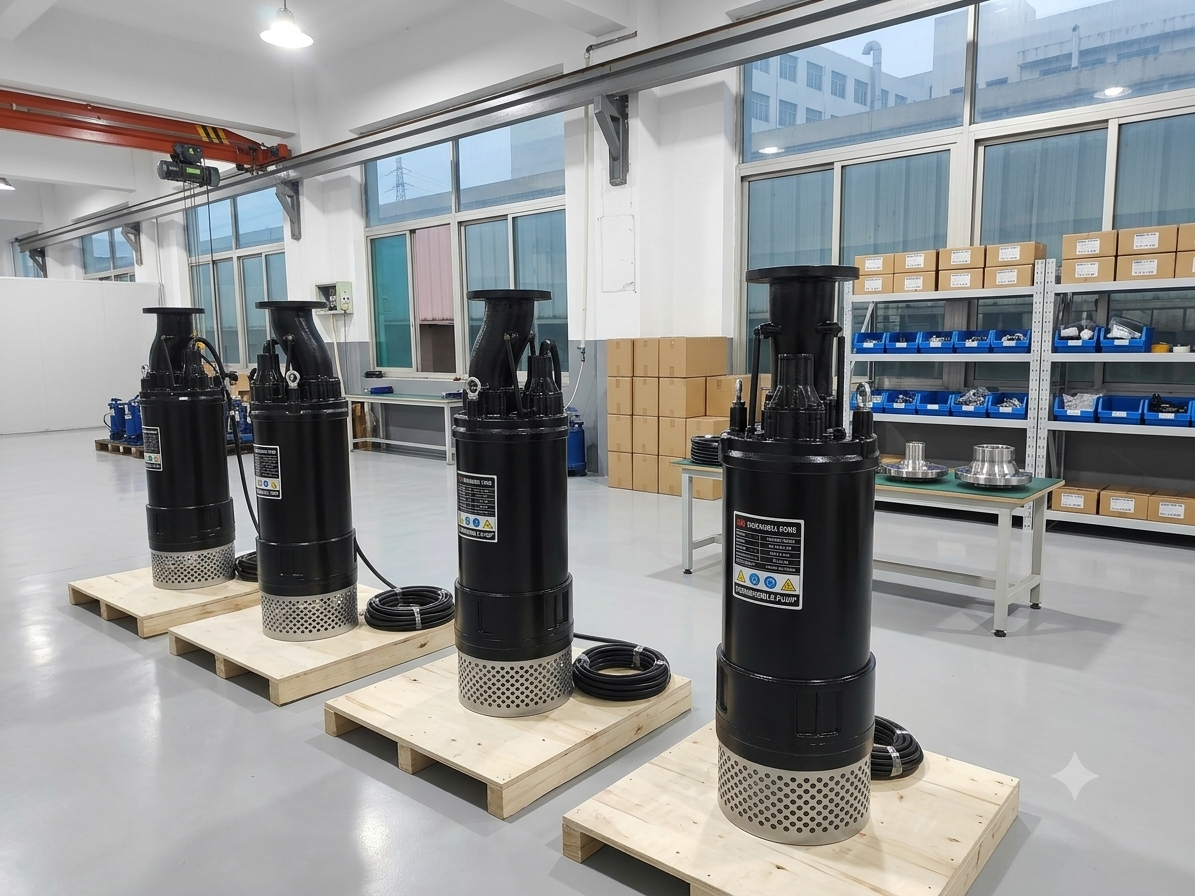
A sand dredging mining hydraulic dredge submersible slurry pump is a specialized piece of equipment designed for the extraction and transportation of sand and other granular materials from underwater sources such as rivers, lakes, and seabeds. It combines the functions of dredging and slurry pumping in a single unit and is typically used in the mining and construction industries.
Working Principle
– Submersible Design: The pump is designed to be submerged in the water or slurry. When it is placed in the dredging area, the impeller inside the pump starts to rotate. The rotation is usually powered by an electric motor or a hydraulic motor.
– Suction Mechanism: As the impeller rotates, it creates a low – pressure area at the inlet of the pump. This low – pressure zone causes the sand – water mixture (slurry) to be drawn into the pump through the suction opening. The impeller blades then accelerate the slurry and direct it towards the outlet.
– Discharge and Transportation: The slurry is discharged from the pump at a higher pressure through a discharge pipe. The high – pressure discharge allows the slurry to be transported over a considerable distance, either to a processing plant on – shore or to a barge for further transportation.
Components and Features
– Impeller: The impeller is a crucial component. It is usually made of wear – resistant materials such as high – chromium alloys or special rubber – coated alloys. The design of the impeller can vary, but it is often designed to handle large – sized sand particles and to minimize clogging. Some impellers have a semi – open or open – type design to allow for the passage of larger debris.
– Motor: The motor can be either an electric motor or a hydraulic motor. Electric motors are more common for smaller – scale operations and areas with easy access to electricity. Hydraulic motors are preferred in situations where more power and torque are required, such as in deep – water dredging or when dealing with highly viscous slurries. The motor is sealed to prevent water from entering and is often equipped with cooling systems to prevent overheating.
– Casing: The pump casing is typically made of thick – walled metal or composite materials. It provides structural support to the internal components and also helps to direct the flow of the slurry. The casing is designed to withstand the pressure generated during the pumping process and the abrasion caused by the sand particles. Some casings have replaceable wear – plates to increase the lifespan of the pump.
– Sealing System: A reliable sealing system is essential to prevent water and slurry from entering the motor and other internal parts. Mechanical seals or lip seals are commonly used. These seals are made of materials that can withstand the harsh conditions of the dredging environment and maintain a tight seal over an extended period.
Advantages
– Efficient Sand Extraction: It can efficiently extract sand from underwater sources, increasing the productivity of sand mining operations. The submersible design allows it to work directly at the sand – bed level, reducing the need for additional equipment to bring the sand to the pump.
– Versatility: It can handle a wide range of slurry densities and particle sizes. This makes it suitable for different types of sand – dredging projects, whether it’s fine – grained beach sand or coarser – grained river sand.
– Mobility and Ease of Use: Some submersible slurry pumps are relatively compact and portable, allowing for easy deployment in different dredging locations. They can be quickly installed and operated, reducing the setup time for dredging projects.
– Less Environmental Impact: Compared to some traditional dredging methods, submersible slurry pumps can cause less disruption to the surrounding environment. They can operate with a relatively small footprint and can be used to target specific areas for dredging, minimizing the impact on aquatic ecosystems.
Applications
– Sand and Gravel Mining: In the mining of sand and gravel from rivers, lakes, and the seabed, these pumps are used to extract the raw materials and transport them to processing plants.
– Land Reclamation and Coastal Engineering: For projects such as land reclamation, where sand is needed to fill in low – lying areas, or in coastal engineering to build breakwaters or beach nourishment, the pump can be used to dredge and transport sand.
– Underwater Construction: In underwater construction projects, such as the installation of pipelines or foundations, the pump can be used to remove sand and sediment from the work area to create a stable construction environment.