Skip to content

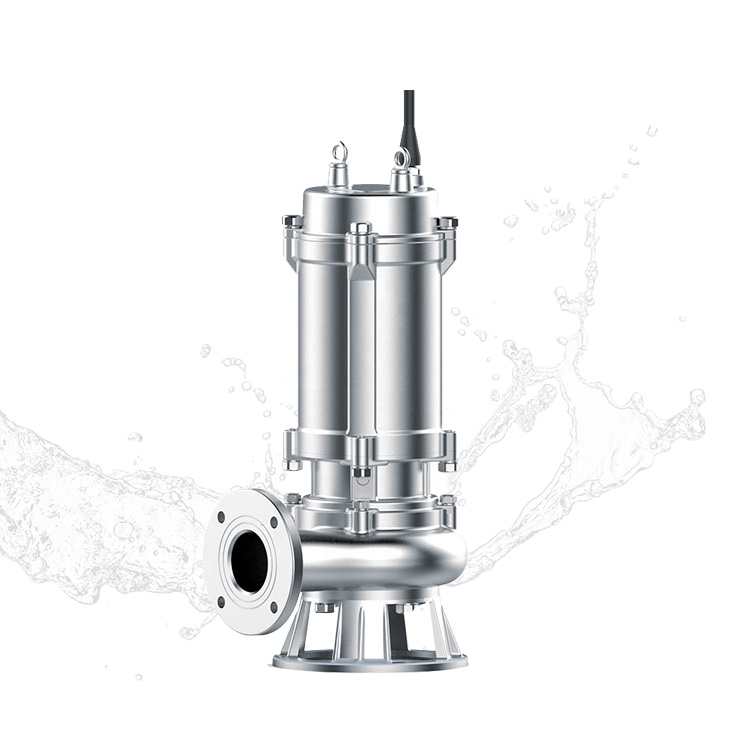
A submersible sewage pump is a hardworking machine designed to pump wastewater from places where gravity can’t do the project, like from a basement bathroom up to the main sewer line. It works completely underwater, hidden in a pit in the floor.
But not all pumps are created equal. The material they’re made from is a big deal. That’s where stainless steel comes in. It’s like choosing the right superhero for the mission—each type has its own special power.
Why Stainless Steel?
Regular steel would rust immediately in water. Stainless steel contains chromium, which creates an invisible shield that protects it from rust and corrosion. This makes it perfect for handling dirty, chemical-filled wastewater.
However, “stainless steel” is a family of metals. The most common types used for these pumps are 304, 316, and 316L. Here’s how they differ:
1. Grade 304 Stainless Steel: The All-Star
-
What it is: This is the most common and versatile type of stainless steel. You’ll find it in kitchen appliances, sinks, and food processing equipment.
-
Superpower: Excellent resistance to rust and corrosion for most everyday environments.
-
Best for: Standard residential and commercial sewage applications. It’s perfect for pumping wastewater from homes, schools, and office buildings where the water isn’t full of strong chemicals. It’s a great balance of performance and cost.
2. Grade 316 Stainless Steel: The Chemist
-
What it is: This is an upgrade from 304. Its special ingredient is Molybdenum (pronounced muh-LIB-duh-num).
-
Superpower: The molybdenum gives it much higher resistance to chlorides (like salt) and acids. This makes it highly resistant to pitting, which is a nasty, localized type of corrosion.
-
Best for: Harsher environments. Think:
-
Coastal areas where saltwater or salty air is present.
-
Pumping wastewater that might contain mild industrial chemicals or cleaning agents.
-
Areas where cities use more chlorine in the water supply.
-
3. Grade 316L Stainless Steel: The Welding Expert
-
What it is: The “L” stands for “Low Carbon.” This version has all the great properties of 316 but with less carbon in its recipe.
-
Superpower: The low carbon content makes it incredibly resistant to a problem called “sensitization.” This happens when stainless steel is welded at high temperatures; it can become vulnerable to corrosion along the weld seams. 316L prevents this.
-
Best for: The toughest projects. It is the top choice for:
-
Industrial facilities that need to weld the pump into a system.
-
Handling wastewater with highly corrosive elements, like in chemical plants or food processing plants that use acidic ingredients.
-
Applications where the pump must last for decades under extreme conditions without failing.
-
Summary: Which Pump is For What?
| Stainless Steel Type | Key Feature | Best Used For |
|---|---|---|
| 304 | Good all-around corrosion resistance | Homes, apartment buildings, schools, typical businesses |
| 316 | Excellent resistance to salts & chemicals | Coastal towns, farms, factories with mild chemicals |
| 316L | Superior weldability & max corrosion resistance | Chemical plants, food processing, heavy industry, extreme environments |
In short, choosing a pump made from stainless steel means you’re choosing durability. Picking between 304, 316, and 316L is all about matching the pump’s material to the specific “bad guys” (like salt, chemicals, or acids) it will have to fight in the wastewater.