Skip to content

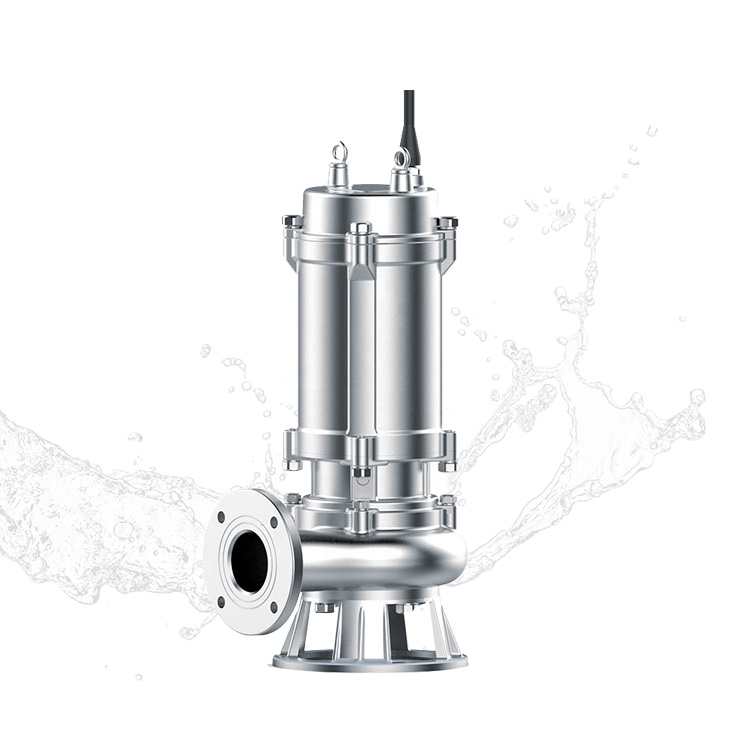
A submersible drainage pump with a float switch is a type of pump designed for removing or draining water from areas such as basements, construction sites, and other low-lying spaces prone to flooding. The float switch is an integral part of the pump system, and its purpose is to automatically control the pump’s operation based on the water level.
Here’s how the submersible drainage pump with a float switch typically works:
- Submersible Design: The pump is designed to be submerged in water, allowing it to efficiently pump water from low-lying areas. Submersible pumps are sealed to prevent water from entering the electrical components.
- Float Switch: The float switch is a buoyant device connected to the pump. It is designed to float on the water’s surface. As the water level rises, the float switch is lifted.
- Automatic Operation: When the float switch reaches a certain level, it triggers the pump to turn on automatically. The pump will then start pumping water out until the water level decreases below a specified point.
- Manual Override: Some submersible pumps with float switches also come with a manual override option. This allows the user to manually activate or deactivate the pump as needed, regardless of the water level.
Benefits of submersible drainage pumps with float switches include:
- Automatic Operation: The float switch ensures that the pump operates automatically based on the water level, reducing the need for constant monitoring.
- Prevention of Pump Damage: By automatically turning on and off based on the water level, the float switch helps prevent the pump from running dry, which could lead to damage.
- Energy Efficiency: The pump only operates when needed, contributing to energy efficiency and reducing unnecessary power consumption.
- Convenience: The automatic operation and float switch functionality make these pumps convenient for applications where water levels can vary.
When selecting a submersible drainage pump with a float switch, it’s essential to consider factors such as the pump’s capacity, head (vertical pumping distance), and the specific requirements of the application. Additionally, regular maintenance and inspection of the pump and float switch ensure reliable performance over time.