Skip to content

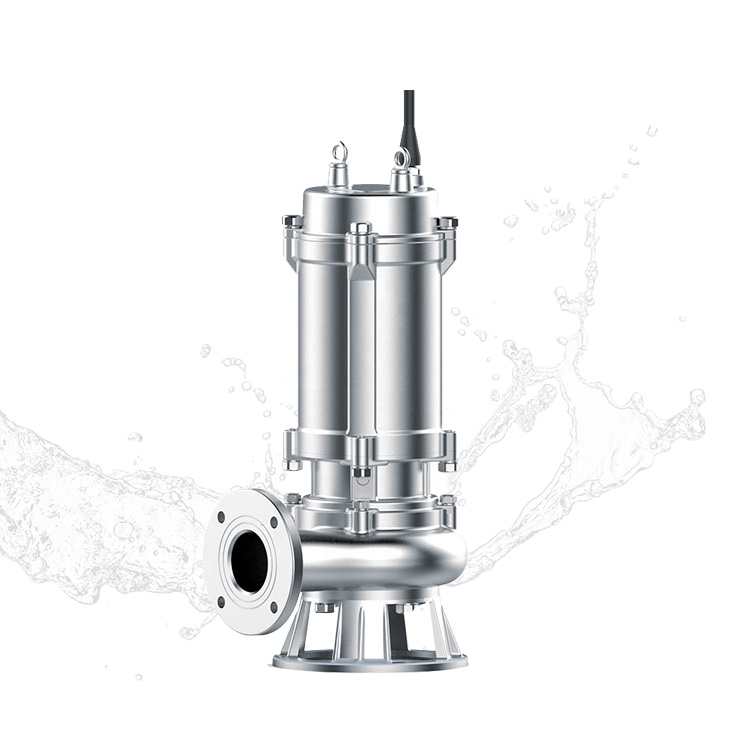
A submersible pump with zinc anodes integrates sacrificial zinc rods or plates directly onto the pump housing or critical components. These anodes leverage the principle of cathodic protection to shield the pump’s primary metal parts (typically cast iron, steel, or bronze) from galvanic corrosion in conductive environments like water.
Key Applications (Where They Excel):
-
Saltwater & Brackish Water:
-
Marine environments: Boat bilges, docks, seawater intake/transfer, aquaculture (fish farms), offshore platforms.
-
Coastal/Estuarine areas: Flood control, dewatering near shorelines, saltwater irrigation.
-
Rationale: Highly conductive seawater dramatically accelerates galvanic corrosion; zinc anodes are essential here.
-
-
Industrial & Municipal Wastewater:
-
Handling effluent with high salinity, chlorides, sulfides, or other corrosive contaminants.
-
Sewage lift stations exposed to aggressive elements.
-
-
Geothermal & Brine Applications:
-
Pumps used in high-mineral-content geothermal fluids or brine solutions.
-
-
Any Conductive Liquid Environment Prone to Galvanic Corrosion:
-
Including certain aggressive freshwater sources with high conductivity or stray currents.
-
Primary Advantages:
-
Superior Corrosion Protection:
-
The zinc anode sacrificially corrodes preferentially to the pump’s critical metals (iron, steel, bronze).
-
This electrochemical reaction halts or significantly slows down the corrosion of the pump body, impeller, volute, and fasteners.
-
-
Extended Pump Lifespan:
-
By preventing rapid galvanic corrosion, zinc anodes dramatically increase the operational life of the pump, especially in harsh saltwater or chemically aggressive environments where unprotected pumps fail quickly.
-
-
Reduced Maintenance Costs & Downtime:
-
Fewer failures due to corrosion mean lower repair/replacement costs and reduced unplanned downtime for maintenance.
-
-
Passive & Reliable Operation:
-
Requires no external power source or complex monitoring systems (unlike impressed current cathodic protection). It works continuously as long as the anode is intact and submerged.
-
-
Protection of Critical Components:
-
Specifically safeguards vulnerable areas like seams, threaded connections, and the impeller shaft where corrosion often initiates and causes catastrophic failure.
-
-
Cost-Effective Solution:
-
Zinc anodes are a relatively inexpensive addition that provides substantial cost savings by protecting the much more valuable pump investment. Replacing worn anodes is simple and cheap compared to pump repair/replacement.
-
Important Considerations:
-
Sacrificial Nature: Zinc anodes deplete over time and must be inspected and replaced periodically (typically annually or bi-annually, depending on conditions) to maintain protection.
-
Environment Specific: Most effective in conductive electrolytes (saltwater >> brackish >> some freshwaters). Less effective in pure, low-conductivity freshwater or non-conductive fluids (like oil).
-
Water Chemistry: Extremely high temperatures or very soft water can sometimes reduce anode effectiveness or cause excessive scaling.
-
Not a Substitute for Material Choice: Used in conjunction with inherently corrosion-resistant materials (like stainless steel grades or bronze) for critical parts, providing an extra layer of defense.