Skip to content

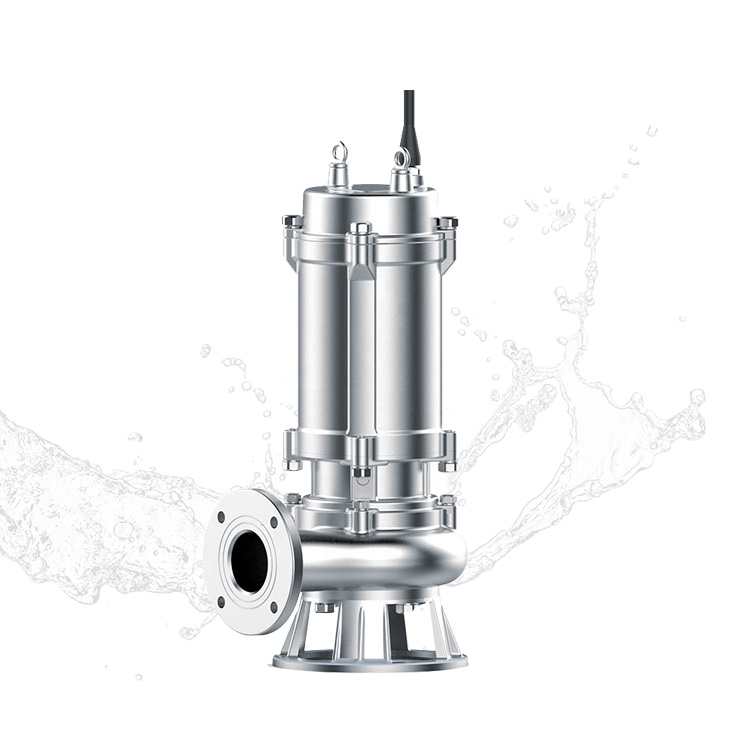
A submersible sewage pump is designed to pump wastewater, including sewage, from a lower point (typically a sump or pit) to a higher point or municipal sewer system. Its primary function is to transport sewage and wastewater in applications where conventional pumps are impractical due to the presence of solids, high liquid levels, or the need for the pump to be placed underwater.
Key Functions and Features of a Submersible Sewage Pump:
Handling Solid Waste:
These pumps are specifically built to handle solids, such as toilet paper, human waste, and other debris commonly found in sewage. The impeller is designed to shred and pump solid materials without clogging.
Efficient Pumping from Submerged Areas:
As the name implies, submersible pumps operate submerged in the sewage or wastewater, eliminating the need for priming and preventing air locks. This allows for more efficient pumping, especially in confined or low-lying areas.
Pumping Wastewater to Higher Elevations:
In municipal systems or industrial applications, sewage needs to be pumped from lower elevation pits (e.g., sewage collection chambers or sumps) to higher levels for treatment or disposal. Submersible sewage pumps are ideal for this purpose.
Reduced Noise and Vibration:
Because the motor and impeller are submerged, submersible sewage pumps typically generate less noise and vibration than dry-mounted pumps, making them more suitable for use in residential or commercial settings.
Automatic Operation:
Many submersible sewage pumps feature float switches or automatic sensors that detect the water level in the pit. When the water reaches a certain level, the pump turns on automatically to remove the waste.
Durable and Corrosion-Resistant:
These pumps are designed to be durable and resistant to corrosion, as they are exposed to harsh wastewater environments. Materials like stainless steel or cast iron are commonly used for the pump casing and impeller.
Applications of Submersible Sewage Pumps:
Residential: In basements or low-lying areas to remove wastewater from toilets, sinks, and bathtubs.
Municipal: For sewage and stormwater pumping stations.
Industrial: In factories or plants with sewage or wastewater management needs.
Commercial: In buildings or facilities with plumbing systems that need to handle large volumes of waste.
In summary, submersible sewage pumps are critical for efficiently moving wastewater, especially when solid materials are present or when the pump needs to be located underwater in confined spaces.