Skip to content

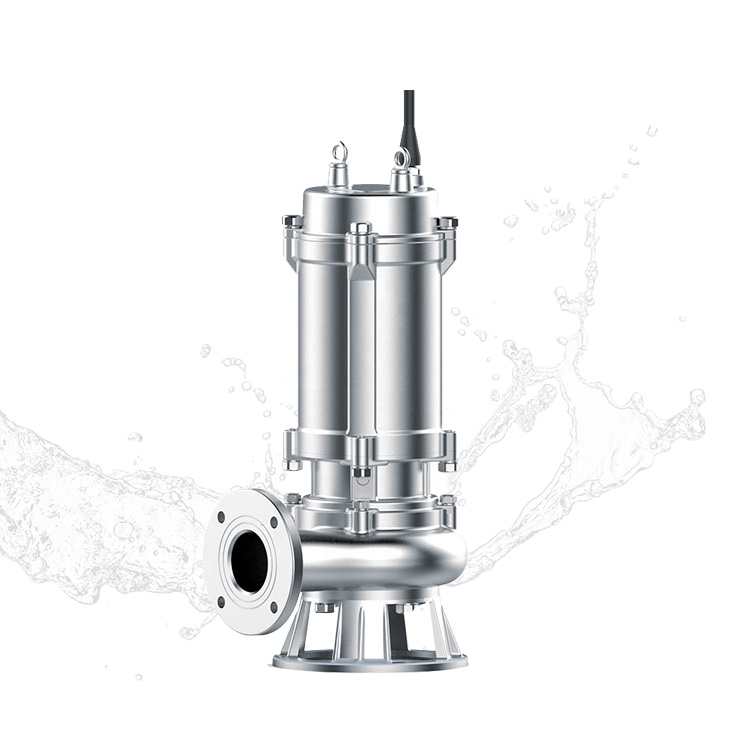
TUSSU® Submersible Silt Removal Pump is a better way in water treatment plants, water treatment plants extracting fresh water from a nearby river to clarifier almost always entails pumping in a significant amount of sand and silt, so need to use a submersible sludge pumps with agitator to pump sand and silt.Submersible silt removal pumps are robust machines designed to handle water with high concentrations of abrasive solids like sand and silt. They are widely used in dredging, mining, and industrial cleaning.
The table below summarizes the common applications and core features of these pumps.
| Application Area | Specific Examples | Key Features & Advantages |
|---|---|---|
| Dredging & Environmental | River, lake, and port desilting; Reservoir sediment removal; Pond cleaning | Direct submersible operation; Built-in agitator to stir settled silt |
| Mining & Industrial | Metallurgical slag and tailings transport; Power plant coal slurry and ash removal; Mine drainage | High-wear resistance materials (e.g., high-chromium alloy); Capable of handling corrosive and crystalline slurries |
| Construction & Municipal | Sand pumping for land reclamation; Sewage plant and stormwater pond sediment cleanup; Construction site dewatering and silt removal | Clog-resistant design (e.g., large flow channels, special impellers); Portable and mobile configurations available |
Key Technical Features for Silt Handling
The effectiveness of submersible silt pumps in abrasive environments comes from several key design elements:
-
Agitator and Impeller System: Many models feature a dual-impeller setup. A main impeller is responsible for pumping the liquid, while a separate agitator or stirring impeller at the bottom disturbs the settled silt bed, mixing it into a slurry that can be easily suctioned. This eliminates the need for external stirring devices.
-
Robust Construction and Materials: The pump’s wetted components—including the pump body, impeller, and agitator—are typically made from high-wear-resistant materials like high-chromium alloy. This is crucial for withstanding the abrasive nature of solid particles and extending the pump’s service life.
-
Advanced Sealing System: The mechanical seal is critical for preventing abrasive slurry from entering the motor. High-quality pumps use double mechanical seals (often made from durable pairs like alloy/carbon-silicon) and may feature pressure-balancing mechanisms to ensure seal reliability under varying depths.
-
Deep Submersible Capability: These pumps are designed to operate fully submerged, often at significant depths (e.g., 50-80 meters), making them suitable for deep-water dredging projects.
Practical Considerations for Selection and Use
Selecting and operating the right pump involves careful attention to the following:
-
Critical Selection Parameters: The most important factors for choosing a pump are Flow Rate (m³/h), Total Head (m), Motor Power (kW), and the Maximum Solid Particle Size the pump can pass. The total head must account for both the vertical lift and the frictional losses in the pipeline.
-
Installation and Mobility: Pumps can be used in fixed installations with an automatic coupling system or as mobile units deployed with a crane or hoist. Some designs integrate wheels or floating platforms for easier transfer and positioning on the water surface.
-
Operational and Safety Tips:
-
Never run the pump dry, as this will quickly destroy the mechanical seals.
-
Use a control cabinet with protections against overload, overheating, and moisture detection for the motor.
-
For highly abrasive ores (common in mineral processing), expect a shorter service life for wear parts and plan maintenance accordingly.
-