Skip to content

Wastewater treatment pumps are specifically designed to handle the pumping and transfer of wastewater throughout the treatment process. These pumps are crucial in wastewater treatment plants to move sewage, effluent, sludge, and various treatment chemicals.
Here are some key points about wastewater treatment pumps:
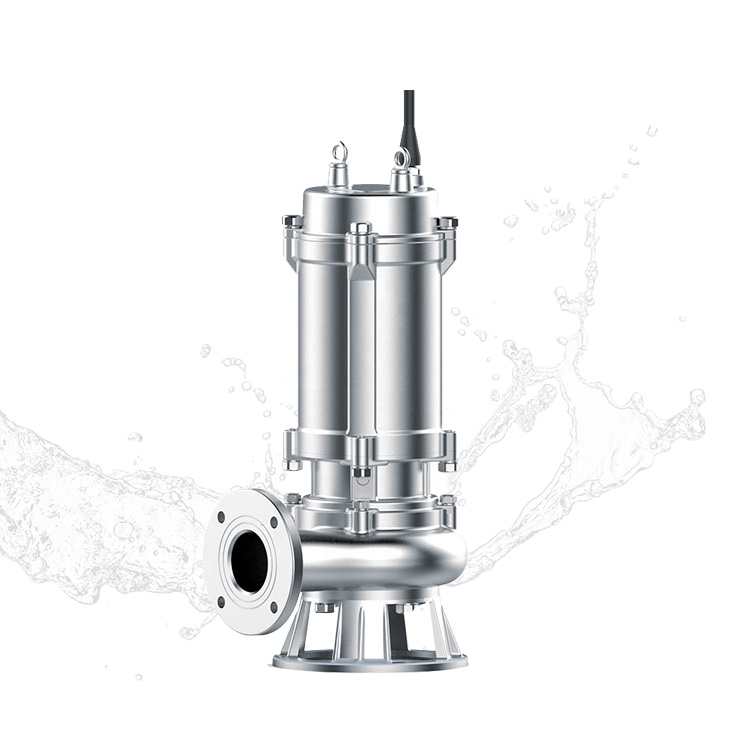
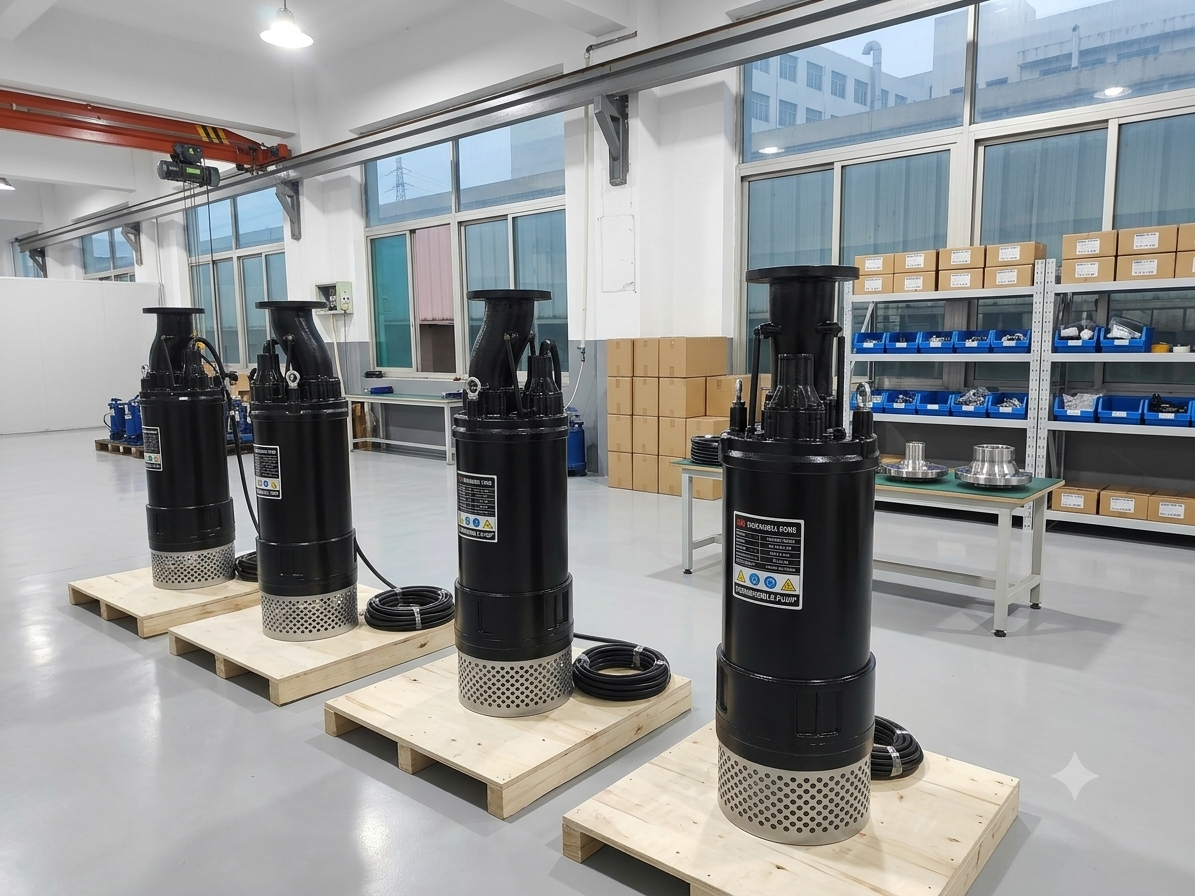
- Submersible Pumps: Submersible pumps are commonly used in wastewater treatment plants due to their ability to handle solids and operate while submerged. They are designed to be installed directly in wet wells or lift stations and can handle wastewater containing solids, debris, and other contaminants.
- Centrifugal Pumps: Centrifugal pumps are widely used in wastewater treatment applications. They are efficient and suitable for handling large volumes of wastewater. These pumps can be used for various stages of the treatment process, including raw sewage transfer, primary treatment, secondary treatment, and effluent pumping.
- Grinder Pumps: Grinder pumps are used in situations where wastewater contains large solids or fibrous materials that can clog conventional pumps. These pumps feature a cutting mechanism that grinds solid waste into smaller particles, allowing for smooth pumping and transfer.
- Sludge Pumps: Sludge pumps are specifically designed to handle the thick, viscous sludge generated during the wastewater treatment process. They are capable of pumping sludge with high solids content and can be used for sludge dewatering, transfer to digesters, or final disposal.
- Aeration Pumps: Aeration is a critical process in wastewater treatment that requires pumps to supply air or oxygen to promote biological treatment and maintain aerobic conditions. Aeration pumps are used to supply air to aeration tanks, oxidation ditches, or other treatment units.
- Chemical Dosing Pumps: Chemical dosing pumps are used in wastewater treatment plants to add chemicals for disinfection, pH adjustment, coagulation, flocculation, and other treatment processes. These pumps ensure precise and controlled dosing of chemicals into the wastewater stream.
- Pumping Station Design: Wastewater treatment plants often include pumping stations to lift wastewater from lower to higher elevations, such as transferring sewage from a lower collection system to higher treatment units. Pumping station design involves selecting appropriate pumps, designing wet wells, and implementing control systems to manage the pumping process effectively.
As with treatment plant pumps in general, maintenance, monitoring, and pump selection based on specific requirements are essential for wastewater treatment pumps. It’s advisable to consult with wastewater treatment professionals and engineers who have expertise in the field to ensure the correct pump selection and optimal pump performance for a given wastewater treatment system.