Skip to content

Designing a Pump System for a Sewage Treatment Plant: The Tussu Pump Approach
At Tussu Pumps, we understand that designing an effective pump system for a sewage treatment plant is crucial to keeping our environment clean and safe. In this guide, we’ll walk you through how to design a reliable pump system that ensures smooth operation, prevents blockages, and helps protect public health.
1. Assessing the Need
Before we even think about choosing a pump, we must first assess the needs of the sewage treatment plant. Sewage can contain all kinds of waste, from water and organic material to chemicals and solid debris. Our project is to move all this waste through the treatment process without interruptions.
2. Selecting the Right Type of Pump
When it comes to pumping sewage, not all pumps are created equal. There are several types to choose from, but for sewage, the most common types are:
- Centrifugal Pumps: These are great for handling liquids with a low solid content. They work by using a spinning impeller to push the sewage through pipes.
- Positive Displacement Pumps: These are used for thicker or more viscous materials, where the pump moves a fixed amount of sewage with each cycle, ensuring consistent flow.
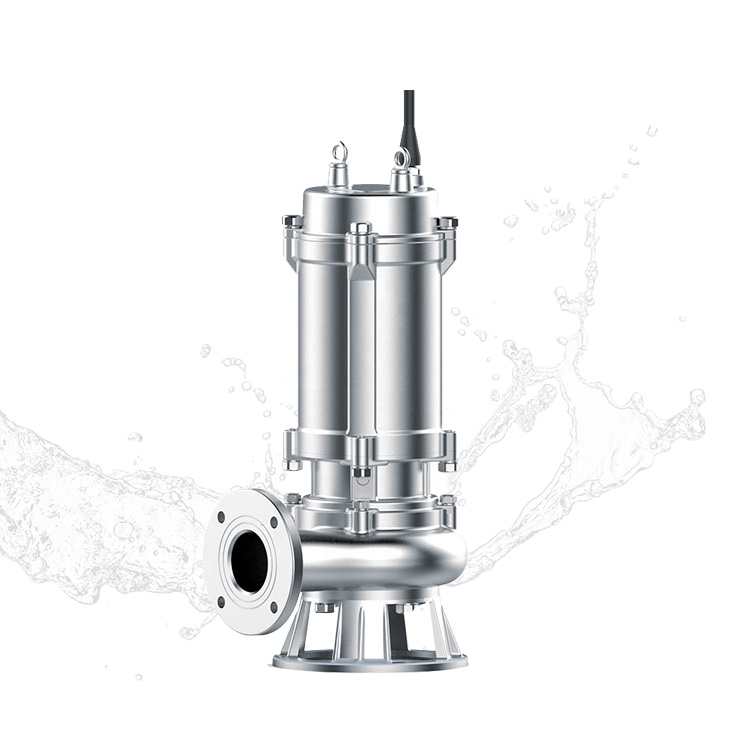
Tussu Pumps specializes in durable, reliable centrifugal pumps designed to handle everything from light to heavy sewage. Our pumps are built with corrosion-resistant materials to ensure longevity and performance.
3. Sizing the Pump
Getting the right size pump is essential. A pump that’s too small won’t be able to handle the volume of sewage, and one that’s too big can waste energy and increase costs. The key factors for sizing a pump are:
- Flow Rate: The amount of sewage the pump needs to move each minute, typically measured in gallons per minute (GPM) or liters per second (L/s).
- Head Pressure: The height that the sewage needs to be lifted, which impacts the pump’s power and efficiency. This is usually measured in feet or meters of head.
At Tussu, we use advanced tools and calculations to ensure that each pump is perfectly sized for the specific needs of the plant.
4. Piping and Layout
The design of the pump system’s piping is just as important as the pump itself. We want the flow to be smooth, without sharp turns or excessive lengths of pipe that could cause blockages or pressure drops.
- Pipe Diameter: Larger pipes reduce the chances of clogging, while smaller pipes might cause a build-up of pressure that can damage equipment.
- Sloping Pipes: Ensuring that pipes slope toward the pump helps gravity assist the flow, reducing the workload on the pump and preventing sediment build-up.
At Tussu Pumps, we always make sure that the entire layout is optimized for efficiency and ease of maintenance.
5. Control Systems
Modern sewage treatment plants use control systems to monitor and regulate the pump’s performance. This includes:
- Variable Speed Drives (VSD): These adjust the speed of the pump to match the demand, improving energy efficiency.
- Flow Meters and Sensors: These keep track of the flow rate and alert operators if there’s a problem, such as a blockage or sudden drop in pressure.
With Tussu Pumps, you get more than just a pump. Our integrated control systems help ensure that everything runs smoothly and safely.
6. Maintenance and Durability
Finally, one of the most important parts of a sewage pump system is making sure it’s easy to maintain. At Tussu, we design our pumps with easy access to parts that need regular maintenance, like seals and impellers. We also use high-quality materials to ensure long-lasting performance, even in harsh conditions.
Conclusion
Designing a pump system for a sewage treatment plant is all about choosing the right pump, getting the sizing right, and ensuring the entire system works together to keep everything flowing smoothly. With Tussu Pumps, you get a reliable, efficient, and easy-to-maintain system that will help keep your sewage treatment plant running efficiently for years to come.
If you’re ready to get started on your pump system design, reach out to Tussu Pumps today. We’re here to help you make the best choice for your sewage treatment plant’s needs.