Skip to content

Hydraulic System Factors
Hydraulic Motor Efficiency: The efficiency of the hydraulic motor that drives the submersible sludge pump is crucial. The mechanical and volumetric efficiencies of the hydraulic motor determine how effectively it converts hydraulic energy into mechanical energy. If the motor has internal friction losses due to poor lubrication or worn – out components, its mechanical efficiency decreases. Also, any leakage within the motor (low volumetric efficiency) means less energy is available to drive the pump impeller. For example, in a vane – type hydraulic motor, if the vanes are worn, it can lead to reduced torque output and lower overall efficiency.
Hydraulic Fluid Properties: The viscosity and cleanliness of the hydraulic fluid play a significant role. High – viscosity fluid can cause greater resistance in the hydraulic lines and components, leading to energy losses as the fluid flows. On the other hand, contaminated hydraulic fluid with particles can clog the motor’s internal passages or valves, affecting the smooth operation of the hydraulic system and thus the pump’s efficiency.
System Pressure and Flow: The operating pressure of the hydraulic system affects the pump’s efficiency. Excessive pressure can lead to increased leakage in the hydraulic components and higher energy consumption due to the pump working against a higher backpressure. Inadequate flow rate can result in the pump not operating at its designed speed and torque, reducing its ability to handle sludge effectively. For example, if the flow rate is too low, the impeller of the sludge pump may not rotate fast enough to create the necessary suction and discharge pressure.
Pump Design and Construction
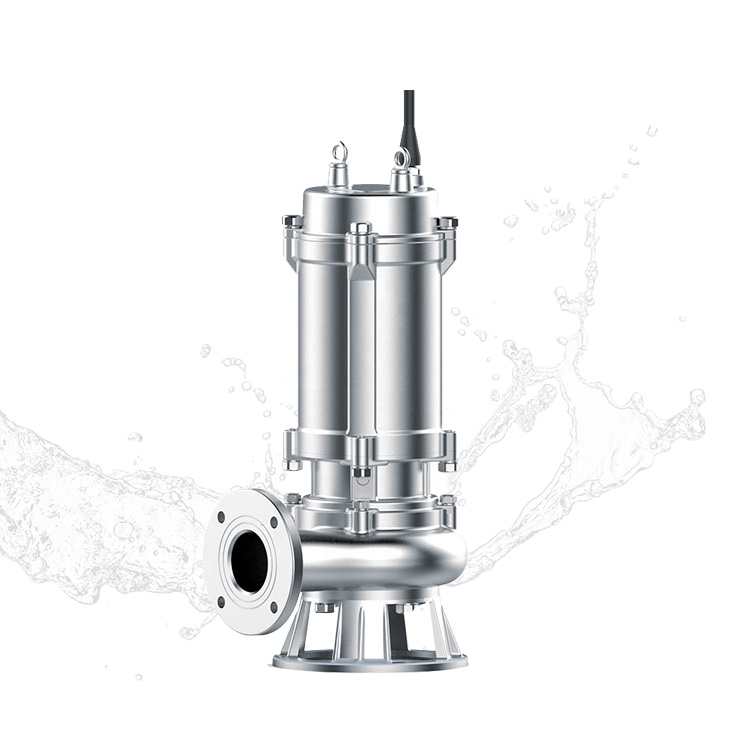
Impeller Design: The shape, number of blades, and diameter of the impeller are critical factors. A well – designed impeller with an appropriate blade shape, such as a backward – curved blade, can efficiently convert the rotational energy into the kinetic and pressure energy of the sludge. The number of blades should be optimized to handle the sludge’s characteristics. Too many blades may cause clogging when dealing with sludge containing large solid particles, while too few blades may not provide sufficient energy transfer. The impeller diameter affects the pump’s head and flow rate. A larger – diameter impeller can generate more head, but it also requires more power and may lead to inefficiencies if not matched with the specific sludge – handling requirements.
Casing Design: The pump casing’s internal flow path, including the shape and smoothness of the volute and the clearances between the casing and the impeller, is important. A well – designed casing with a smooth and gradually expanding or contracting flow path helps to convert the kinetic energy of the sludge into pressure energy more efficiently. If the clearances between the casing and the impeller are too large, it can lead to internal recirculation of the sludge and reduced volumetric efficiency. If the clearances are too small, there may be increased friction and the risk of mechanical damage.
Material and Wear Resistance: The materials used for the pump components, especially those in contact with the sludge, should have good wear resistance. Submersible sludge pumps often handle abrasive sludge, and components like the impeller and casing made of wear – resistant materials such as high – chrome alloys or rubber – lined metals can withstand the erosive effects of the sludge. If the pump components wear out quickly, it can lead to changes in the impeller – casing clearances and flow paths, reducing the pump’s efficiency.
Sludge Characteristics
Viscosity: High – viscosity sludge requires more energy to be pumped as it offers greater resistance to flow. Sludge with a high content of fine particles, such as clay – like substances, can have a significantly higher viscosity. The pump’s impeller has to work harder to move this viscous sludge, and the energy losses due to internal friction within the sludge increase. This can lead to a decrease in the overall efficiency of the pump.
Solid Content and Particle Size: The higher the solid content in the sludge, the more energy the pump needs to consume. Solid particles in the sludge increase the frictional forces between the particles and between the particles and the pump components. Larger solid particles can also cause clogging problems in the impeller and the pump’s inlet and outlet. Even if they don’t cause an immediate blockage, they can disrupt the smooth flow of the sludge and lead to energy losses as the pump has to work around these particles.
Installation and Operational Factors
Installation Position and Alignment: The correct installation of the submersible sludge pump is essential. If the pump is not installed vertically (in the case of a submersible pump design that requires vertical installation) or is misaligned, it can affect the balance of the impeller and the overall operation of the pump. Incorrect alignment can lead to increased vibration, bearing wear, and inefficient energy transfer to the impeller.
Sealing Performance: Good seals are vital for submersible pumps to prevent water and sludge from entering the hydraulic system and to keep the lubricated parts separate from the pumped medium. If the seals fail, it can lead to leakage of the hydraulic fluid, ingress of sludge into the motor area, and ultimately a decrease in pump efficiency. Additionally, a damaged seal can cause air to enter the pump, disrupting the suction process and reducing the pump’s ability to handle sludge.
Maintenance and Wear Monitoring: Regular maintenance and wear monitoring of the pump components are necessary to ensure efficient operation. If the pump is not maintained, components such as bearings, impellers, and seals can wear out over time. Worn – out bearings can cause increased friction and vibration, while a damaged impeller can change the flow characteristics and reduce efficiency. By regularly checking and replacing worn – out parts, the pump’s efficiency can be maintained at an optimal level.