Skip to content

1. Electric Submersible Slurry Pump
The “Plug-and-Play” Workhorse
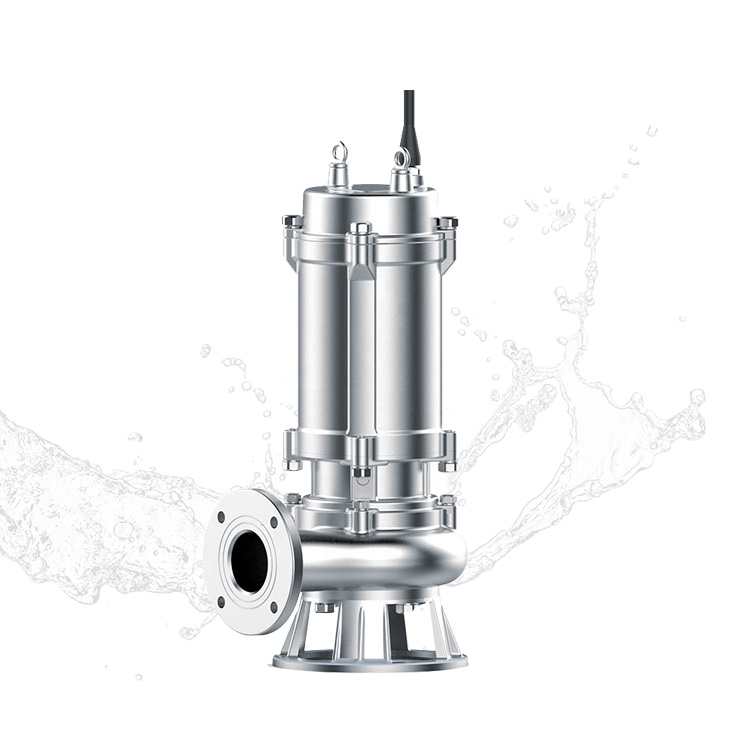
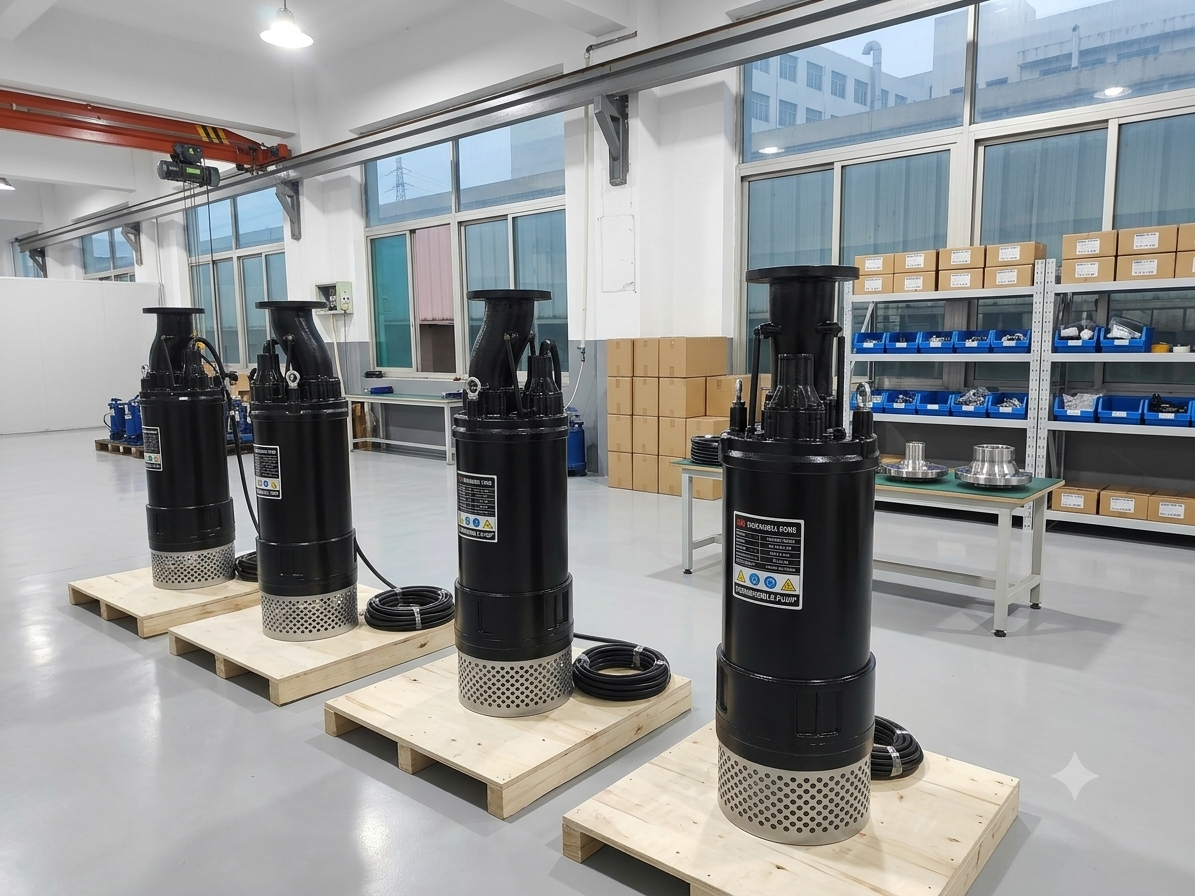
These pumps are powered directly by an electric cable. They are the most common choice for standard industrial projects.
The Pros
-
Easy to Setup: If you have a power source, you’re basically ready to go. No complex external machinery is needed.
-
High Efficiency: Electricity is very efficient at converting energy into movement, which usually means lower operating costs.
-
Precision Control: It’s very easy to monitor and automate these pumps using a control panel.
The Cons
-
Safety Risks: Since you’re putting high-voltage electricity into water or slurry, any cable damage can be dangerous.
-
Motor Bulk: The motor is attached to the pump, making the whole unit quite heavy and sometimes difficult to fit into tight spaces.
-
Heat Issues: They rely on the liquid around them to stay cool. If the pump runs dry or the slurry is too thick to flow, the motor can overheat.

2. Hydraulic Submersible Slurry Pump
The “Brute Force” Expert
These pumps don’t have a motor inside. Instead, they are driven by pressurized oil from an external power pack (or an excavator’s hydraulic system).
The Pros
-
Incredible Power-to-Weight Ratio: These are much smaller and lighter than electric pumps but can move much thicker, heavier solids.
-
Variable Speed: You can change the pump speed instantly just by adjusting the oil flow. This is great for “slugging” through extra-thick mud.
-
Safe and Tough: There’s no electricity in the water, so it’s much safer. Also, if the pump gets jammed by a rock, the hydraulic system just “stalls” safely instead of burning out a motor.
The Cons
-
Complex Setup: You need a hydraulic power unit (HPU) or a tractor/excavator to run it. This means more equipment on-site.
-
Leaking Risk: If a hose breaks, you could leak hydraulic oil into the environment (though biodegradable oils are an option).

Which One Should You Choose?
To make it simple, ask yourself these three questions:
1. What is your power source?
-
If you have a stable power grid nearby, go Electric.
-
If you are in a remote area or already have excavators on site, go Hydraulic.
2. How thick is the “slurry”?
-
For watery sand or light sludge, Electric is perfect.
-
For thick, heavy mud (like cleaning out a settling pond or mining), Hydraulic has the extra “oomph” needed to move the heavy stuff.
3. Where are you working?
-
In fixed installations (like a factory sump), Electric is easier to maintain.
-
In harsh, mobile environments (like dredging a river or a construction site), Hydraulic is more durable and versatile.
Would you like me to put together a technical specification sheet for a specific model, or perhaps help you calculate the flow rate you’ll need for your project? Our email is [email protected]