Skip to content

The choice of materials for a submersible pump largely depends on the specific application and the type of fluid it will be handling. Submersible pumps are used for a wide range of applications, including wastewater management, groundwater pumping, well water extraction, and more. The choice of materials can impact the pump’s durability, performance, and longevity. Here are some common materials used in submersible pump construction:
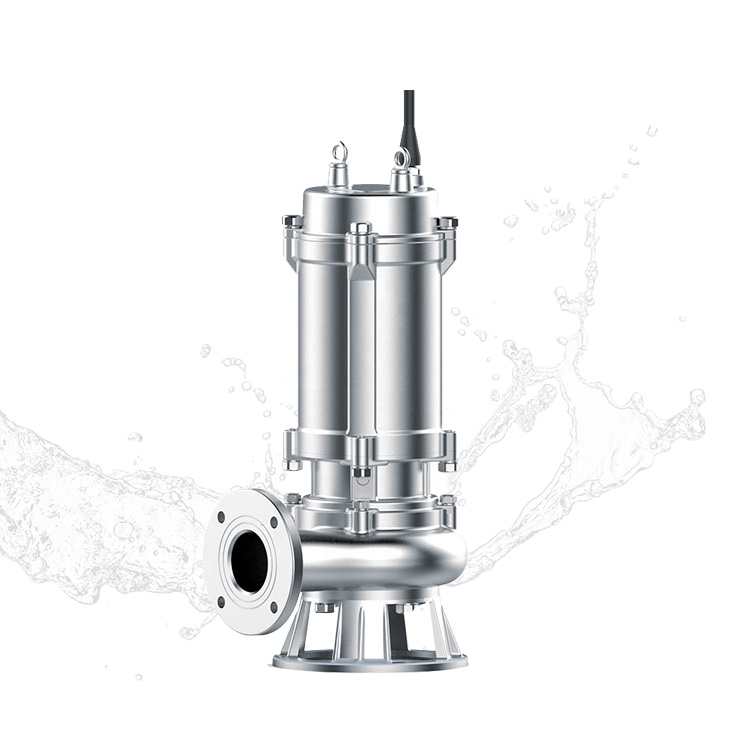
- Stainless Steel: Stainless steel is one of the most popular materials for submersible pump construction. It is highly resistant to corrosion and is suitable for various water-related applications, including potable water supply, well pumps, and wastewater handling. Stainless steel pumps are known for their durability and longevity.
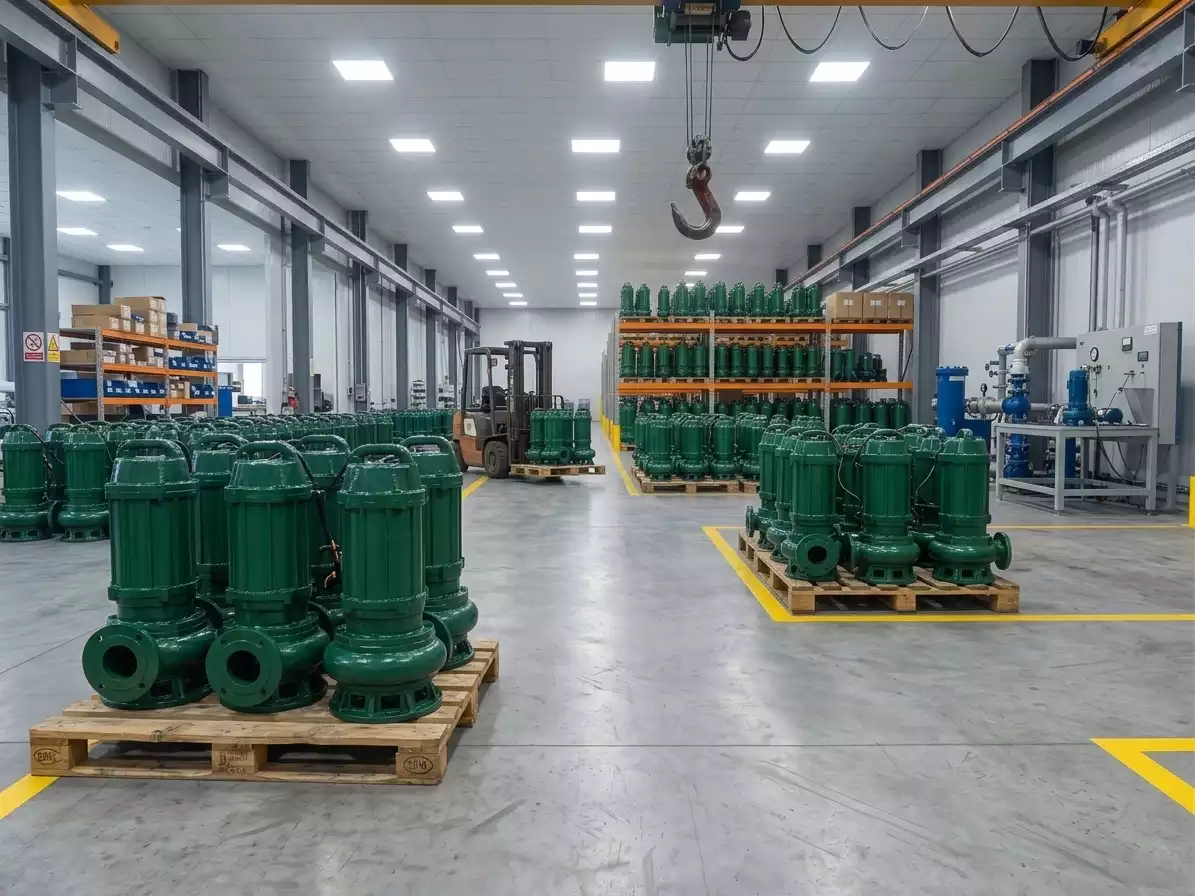
- Cast Iron: Cast iron is another common material used in submersible pump construction. It is known for its strength and durability. Cast iron submersible pumps are often used in sewage and wastewater applications due to their resistance to abrasion and wear.
- Bronze: Bronze is used in submersible pumps, particularly in applications where the pump needs to handle seawater or brackish water. It is corrosion-resistant and can withstand the harsh conditions of marine environments.
- Plastic or Thermoplastic: Some submersible pumps are constructed with thermoplastic materials, such as PVC or thermoplastic elastomers. These pumps are suitable for less demanding applications, such as small-scale residential water supply or sump pump systems. They are lightweight and cost-effective but may not be as durable as metal alternatives.
- Noryl: Noryl is a type of thermoplastic that offers good resistance to corrosion and is often used in submersible pump impellers and diffusers. It’s a common material choice in some industrial and residential pump applications.
- Hastelloy: Hastelloy is a corrosion-resistant alloy that is used in submersible pumps when handling highly corrosive fluids or aggressive chemicals. It is commonly found in industrial and chemical processing applications.
- Ceramic: In some specialized applications, ceramic materials may be used for the pump components, particularly in situations involving extreme wear resistance and corrosion resistance.
The best material for a submersible pump depends on factors such as the type of fluid being pumped, the environmental conditions, the required flow rate, and the pump’s intended service life. For most general-purpose applications, stainless steel is a reliable choice due to its corrosion resistance and overall durability. However, it’s essential to consult with the manufacturer or supplier to ensure the selected pump materials are suitable for the specific requirements of your application. Proper maintenance and care are also crucial to maximize the life and performance of a submersible pump.