Skip to content

Submersible Pumps in Wastewater Systems
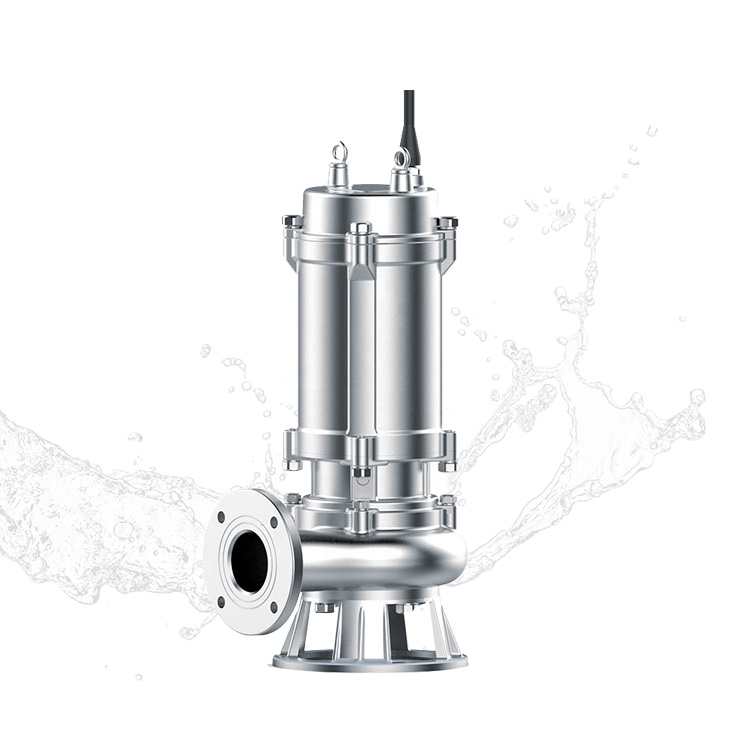
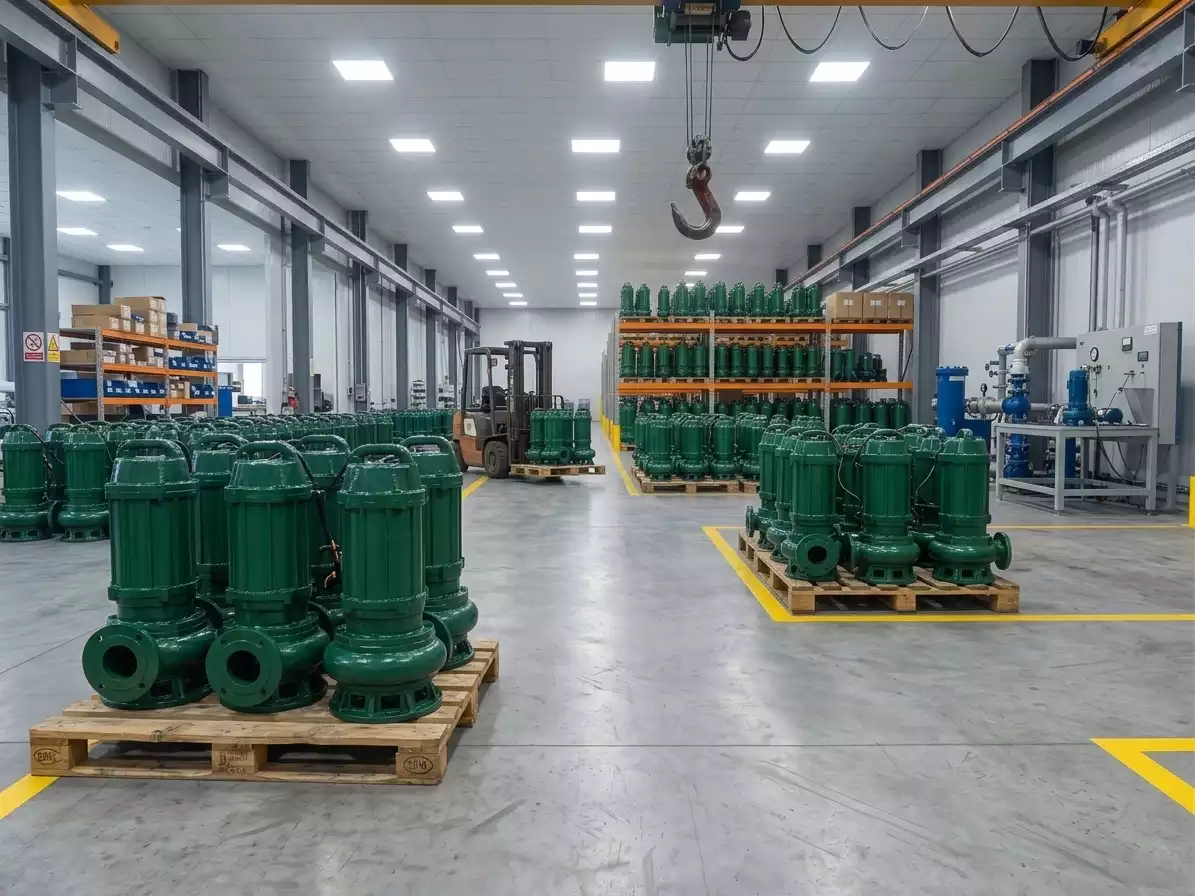
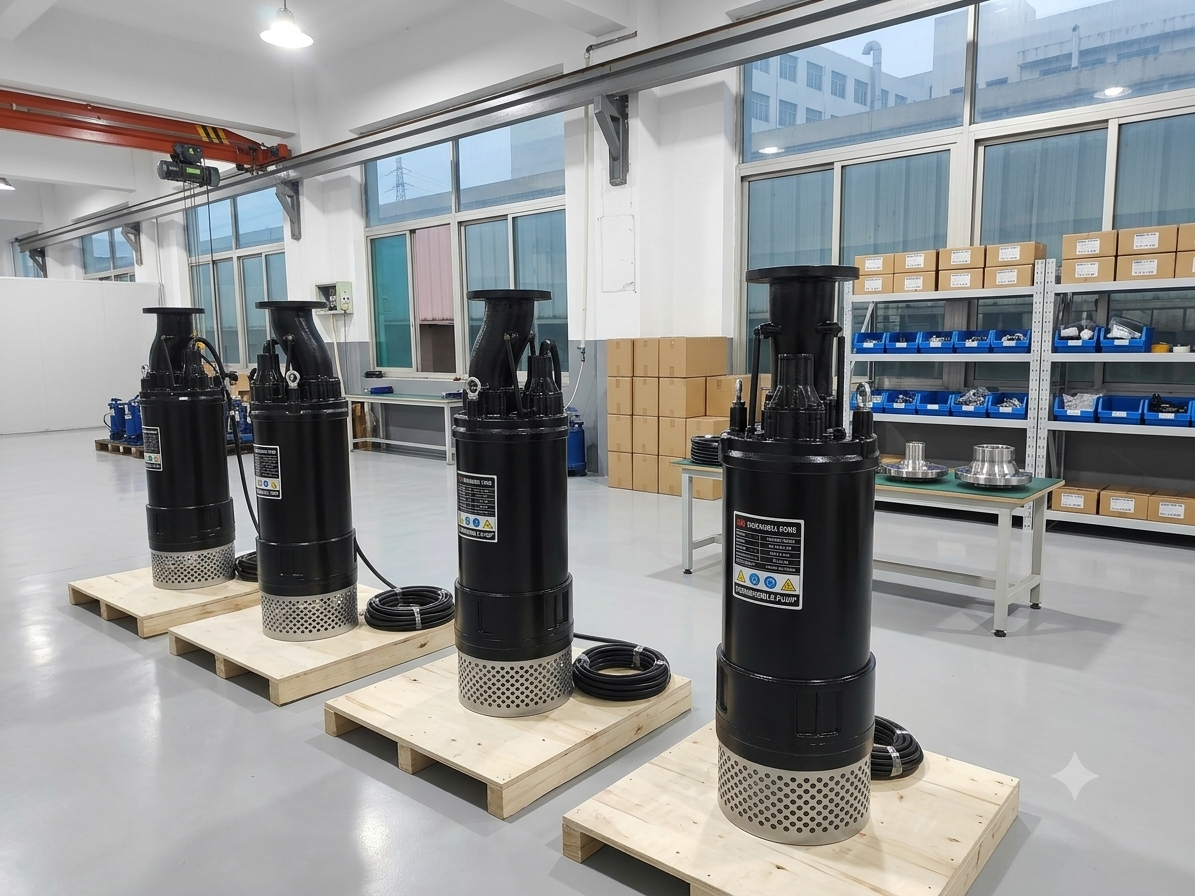
Submersible pumps are used in the wastewater treatment industry in situations where gravity flow is impossible. Rocky soil conditions, a high water table, or long pipe running through hilly areas are all examples of environments that impede gravity. In these cases, a below grade basin that collects wastewater and pumps it up to a higher elevation is used. This is called a pump station or a lift station. Submersible pumps are often used in lift stations because they are compact and cost less to install than other options. These pumps do not obstruct vision and are almost silent during operation which is a real plus. Submersible pumps are very dependable in harsh environments. They are made of sturdy iron castings, protected with coated epoxy.
Submersible pumps are obtainable with long life bearings, abrasive resistant mechanical seals, and a special cord entry system created to protect the liquid from getting into the motor. The motor on submersible pumps remains cool during continuous operation, since the liquid enveloping the pump usually has a temperature below 100F. Concrete and fiberglass are the most common materials used in basins. Special rail systems simplify the installation and removal of submersible pumps from the basin when servicing is necessary. Liquid level sensors connected to a control panel direct pump operation. Submersible pumps are protected by special features located on the control panel which is situated in a ventilated area outside of the basin. There are two types of submersible pumps used in lift stations. Solids handling pumps are used in larger systems that require a high flow rate, while smaller systems use grinder pumps.
Properly designed pump stations are essential because they are a major investment and are also expensive to maintain.
Description of Sump Pumps
TUSSU Submersible Pumps: Submersible pumps that incorporate a mechanism to grind and reduce sewage particles. The slurry (reduced particles) is then pumped to a collection system where it is divided into two classifications: 2-hp and below and above 2-hp.
Solids Handling Submersible Pumps: Submersible pumps that are capable of transporting solid material through the pump without obstruction or interference of any kind from entry to discharge. A solid sphere of material 2 inches to 13 inches or more can pass through these submersible pumps.
Dry Pit Submersible Pumps: Submersible pumps that were originally created for use in applications where the pump unit would be immersed in pump liquid. These submersible pumps are now being used in dry well stations where the wet well is separated from the dry pump chamber. Dry pit submersible pumps have been replacing old centrifugal pumps that have seen their day.